by Aninda Provati
The LGBTQ+ community has long been fascinated with the horror genre even when it was hard to see the perfect representation in mainstream films back then. Directors started adding queer subtexts to their films, but they were used mostly to create the villains, the terrifying monsters out for blood.
Queer fans soon learned to embrace these isolated vampires and murderers. The ones who mirrored their feelings of queerness. Horror camp classics, with their horrible killings and exaggerated humour, became a safe space for them to process the trauma of living as a queer person.
From vampires to slashers, this article highlights some of the most iconic cult and genre films of all time.
Dracula’s Daughter (1936)
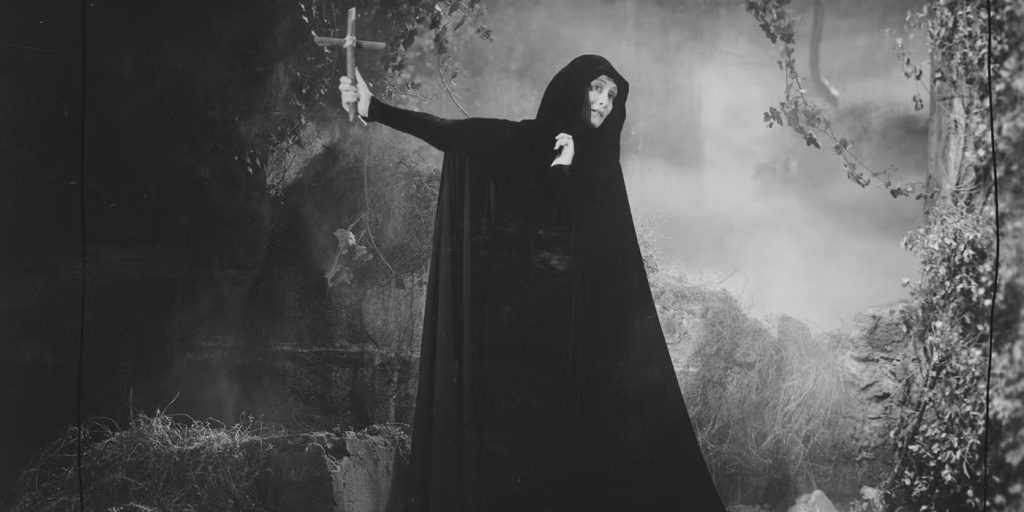
Lambert Hillyer’s Dracula’s Daughter was one of the earliest entries to the “lesbian vampire” subgenre that dominated the film industry in the 70s. Made during the time when queer characters faced the risk of censorship, this film captures the misery and loneliness of Countess Zaleska who struggles to find a “cure” for her vampiric tendencies towards young women. The film shows queerness as monstrosity, but makes a powerful commentary when Zaleska gives in to this desire, making it one of the most powerful films that the queer community still resonates with.
Cat People (1942)
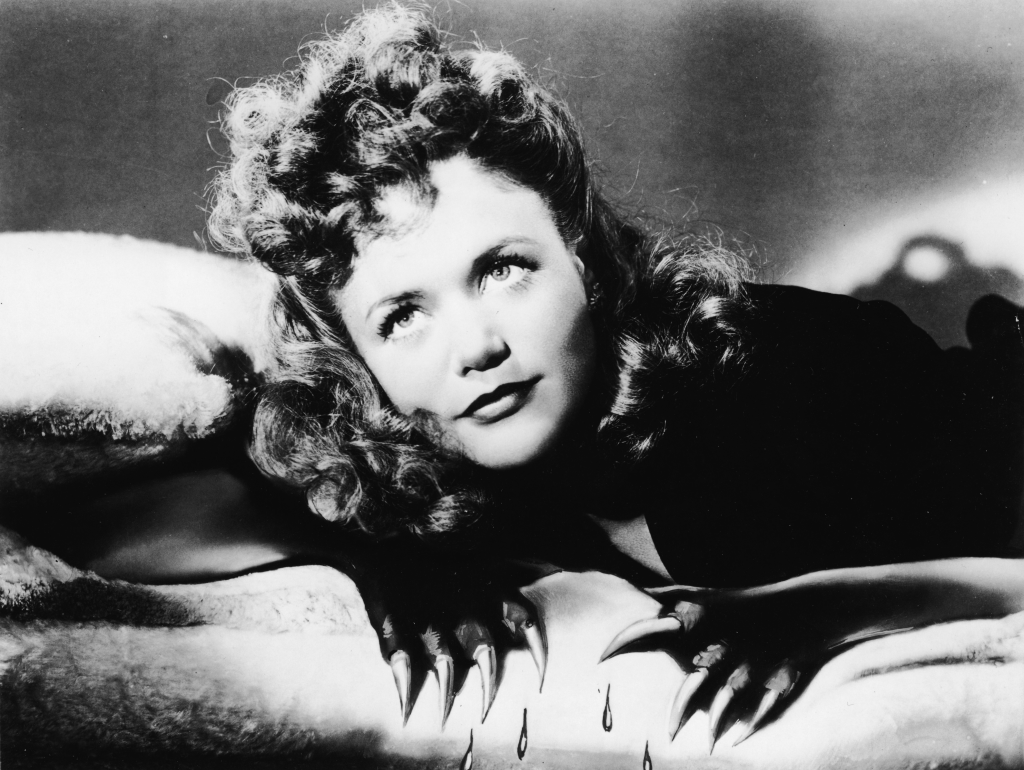
This horror classic directed by Jacques Tourneur was an absolute turning point for the “queer monster” archetype. Irena Dubrovna, a charming Serbian woman, believes that a curse will transform her into a panther if she becomes intimate with her husband. She is tormented by the fear of carrying something “evil” inside that will make her do unspeakable things. In the end, the evil, her supposed queerness, takes over her. This very simple yet tragic film, technically ahead of its time, explores the true horror of being the “other” among the conventional.
Daughters of Darkness (1971)
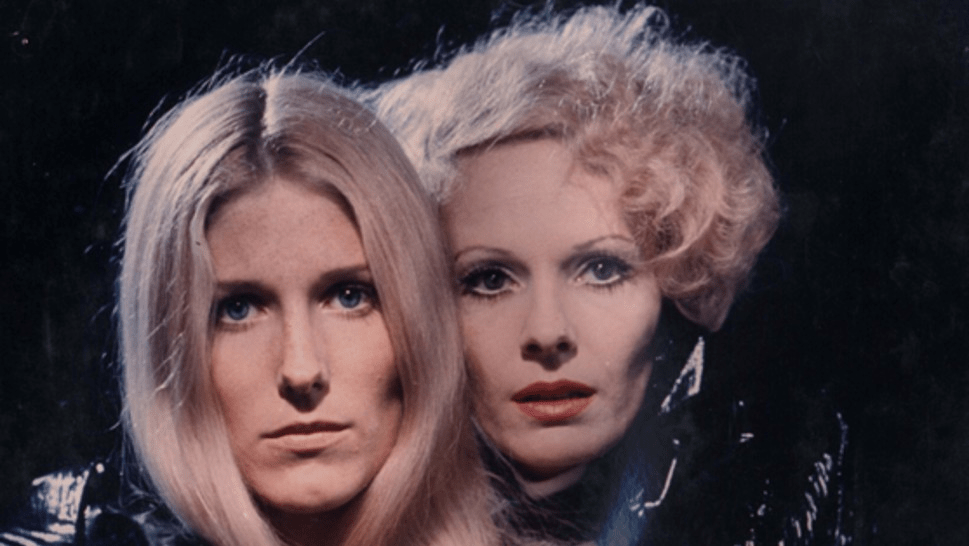
Filled with bold colours, couture costumes and arthouse effects, Harry Kümel’s Belgian cult classic remains as another iconic addition to the “lesbian vampire” genre. A newly-wed couple, Stefan and Valerie, has an encounter with the enigmatic Countess Elizabeth Báthory (played by Delphine Seyrig). Báthory forms a very sensual connection with Valerie and introduces her to the world of bloodlust and queer desire. This film does not play into satisfying the male gaze — there is no male saviour, and lesbianism appears to be an act of rebellion against patriarchy, however, it also shows how queerness comes with its own power dynamics.
The Rocky Horror Picture Show (1975)
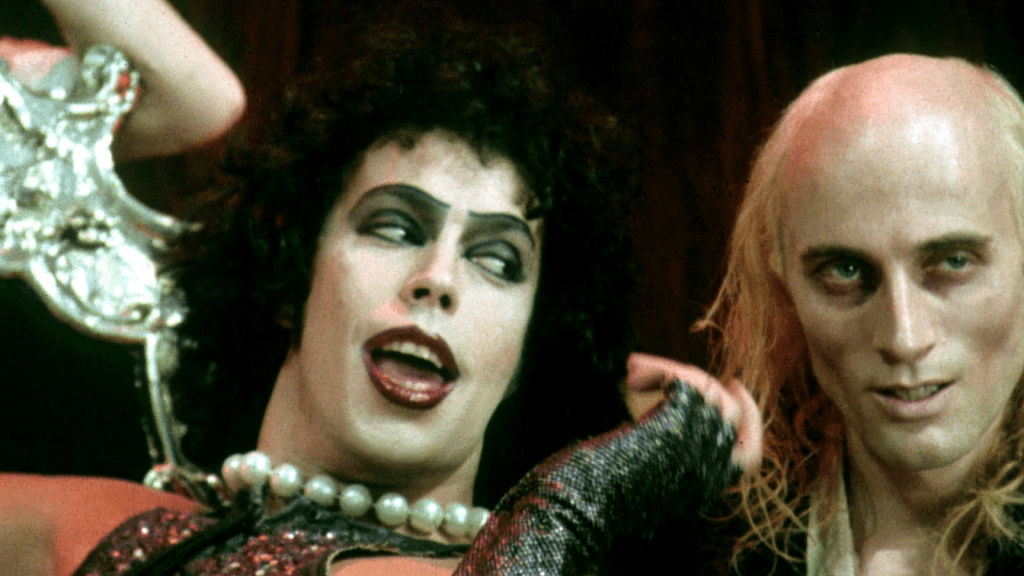
Flashy sets, eccentric characters, snazzy outfits and Tim Curry in corsets — that’s the plot of Jim Sharman’s horror musical that changed queer culture. The story takes a couple to a stranded mansion where they meet Dr Frank N. Furter, a transgender scientist desperately looking for a place to belong. I never saw a film that is so unapologetically gay and celebrates everything that the society considers blasphemous. Curry’s character is deviant, flawed, alluring and confident, a rare representation of queerness that quickly became a pop culture phenomenon after its release.
Sleepaway Camp (1983)
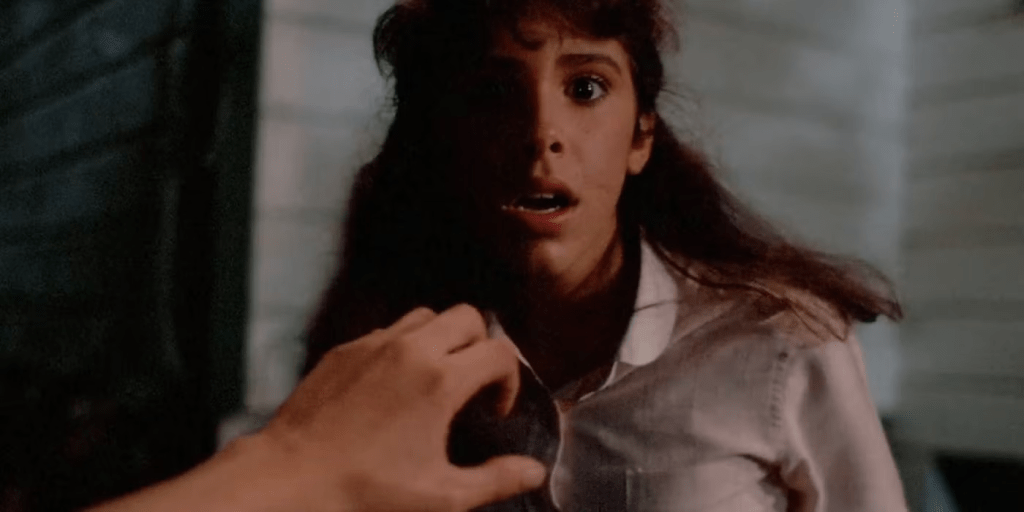
This movie is the perfect example of “it’s so bad it’s good”. Robert Hiltzik’s slasher film attracted a lot of controversy for its shocking ending but queer horror fans have reclaimed it as one of the most significant queer representations within a cult classic. The story follows Angela Baker in a summer camp years after a tragic accident. It has all the campy elements — unsettling narratives, over the top characters, boys in excessively cropped tops and tiny shorts, and of course, a maniac on a murder spree. I’d avoid giving away the ending but it is a must watch if you like horror with a queer twist.
A Nightmare on Elm Street Part 2: Freddy’s Revenge (1985)
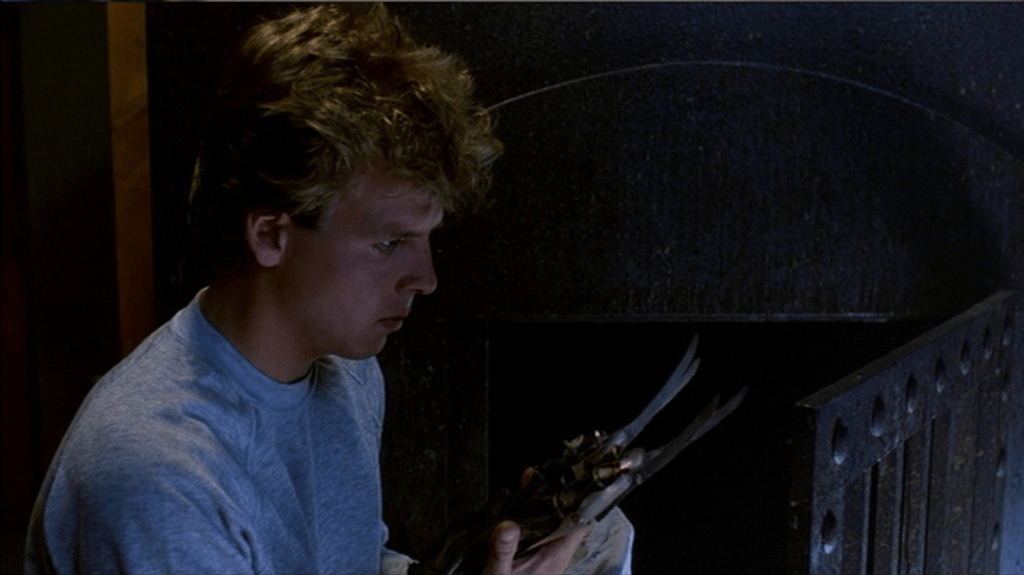
Jack Sholder’s subtly-homoerotic addition to the Elm Street franchise has come to be known as “the gayest slasher of all time”. Jesse Walsh (played by the male scream queen Mark Patton) is seen to be struggling with his inner self. His latent homosexuality takes the appearance of an ugly, murderous monster that is slowly devouring him like a disease. The film gained extreme backlash after Patton was outed to be gay during the 80s AIDS crisis. The film however regained its popularity among queer horror fans — some criticised Chaskin’s homophobic foundations while others celebrated the queer subtext in their favourite franchise.
Fright Night (1985)
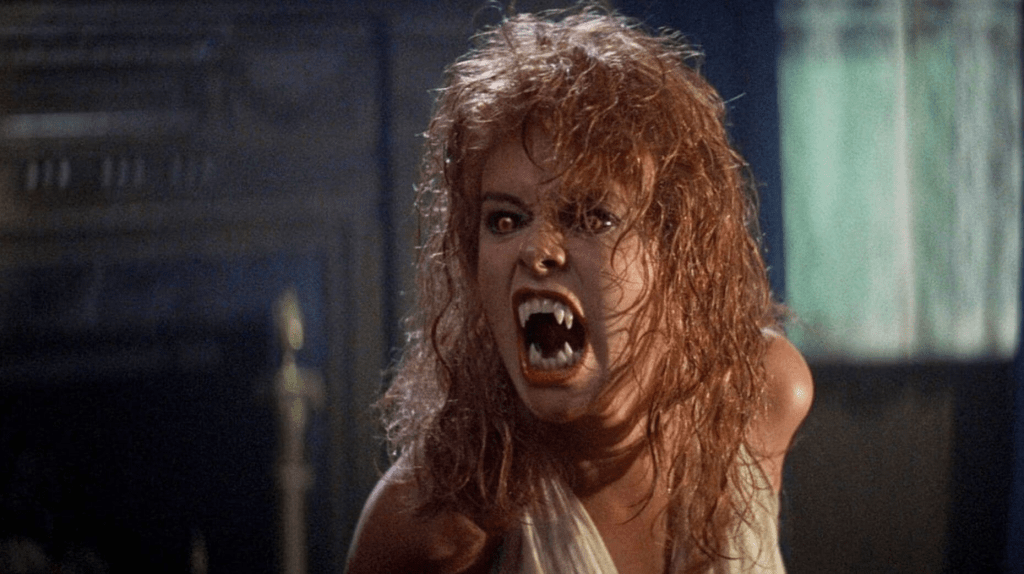
Also released during the AIDS crisis, Tom Holland’s 1985 film gained its cult status for having hot stylish vampires living in the suburbs. Local teen Charley Brewster becomes obsessed to prove that his new neighbour Jerry Dandrige is a vampire. Jerry is living with his “friend” in an old, gothic house next to Charley and the two men share a very homoerotic relationship on screen. The film perfectly delivers the suburban paranoia surrounding two men living together in an isolated house, again with the queer monster archetype.
Scream (1996)
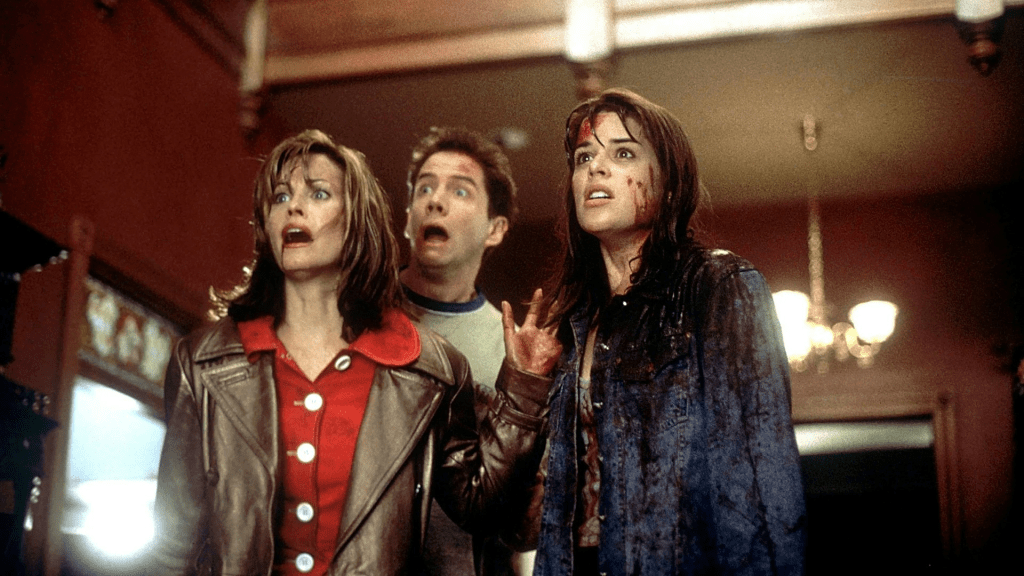
I will probably get frowned upon but I have to put Scream in this list. Wes Craven’s horror classic is not just the greatest slasher to be ever made but it also comes with a good whodunit murder mystery and great 90s humour. The film gained a massive queer following because of its campy tone, survival genre and the queer-coded villains in the end reveal. The homoerotic interaction between the masked killers are often overlooked but remains to stay iconic among queer horror fans worldwide.
Hellbent (2004)
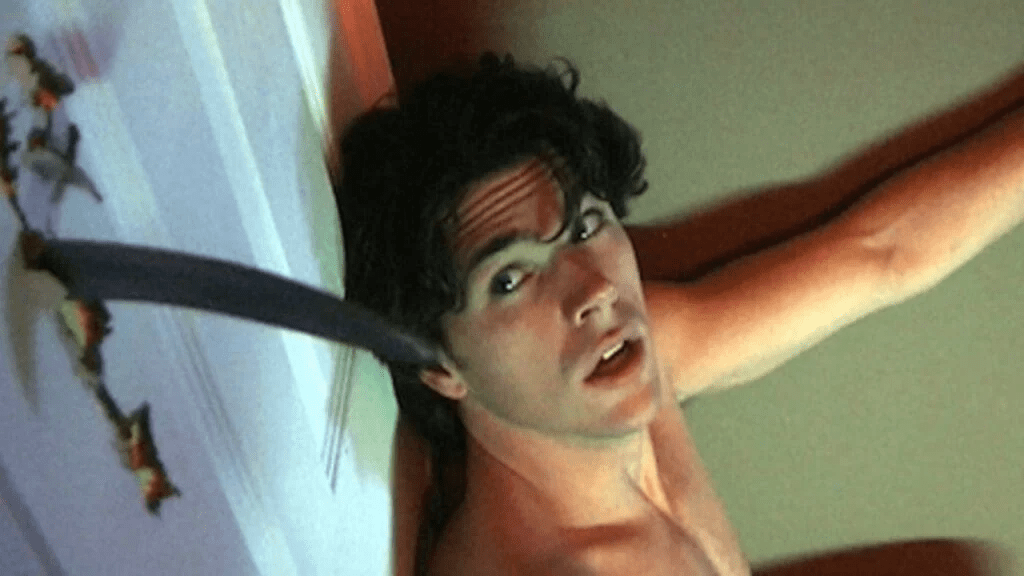
I was not aware of Paul Etheredge’s exclusively gay slasher film before making this list. Watched it assuming constant stereotyping but surprisingly it was the opposite. Hellbent follows a group of friends on Halloween night, the sexiest and most perverted night for the queers. A masked killer is on the loose, beheading gay men, but that does not stop the group from partying the night away. The film lacks a concrete plot, but its low budget visuals show the early 2000s queer scene in Hollywood with a shockingly good gore-fest.
Jennifer’s Body (2009)
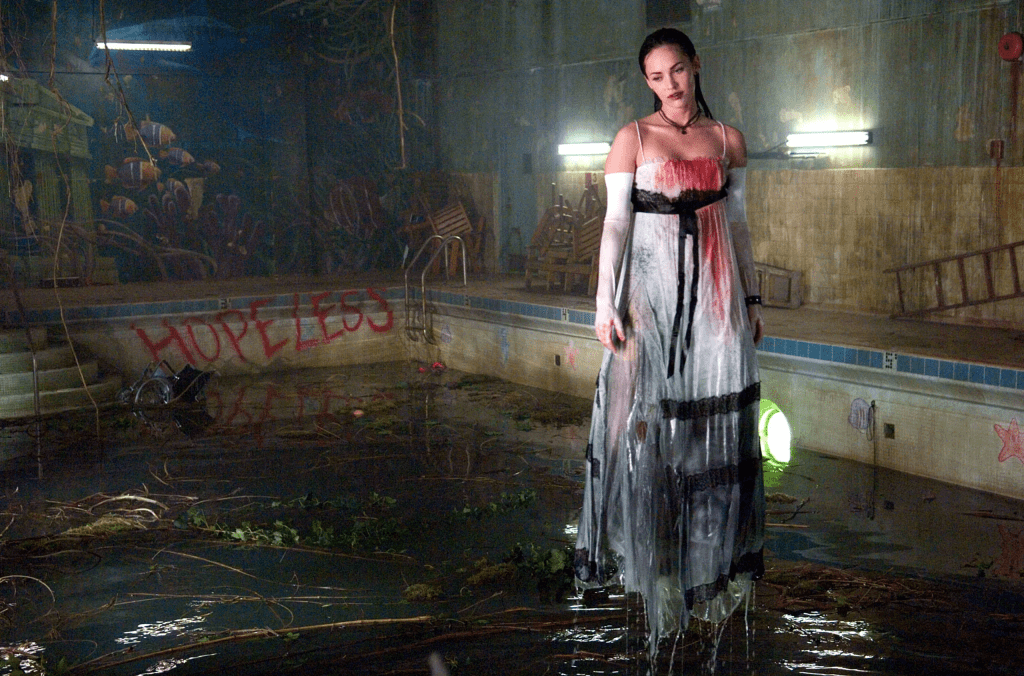
Karyn Kusama’s 2009 film starring Megan Fox and Amanda Seyfried was heavily misunderstood after its release but soon received a cult status as a feminist and queer classic. The story revolves around two friends, Jennifer and Needy, who share an intimate bond many young queer girls can relate to but soon turns sideways as Needy becomes suspicious of Jennifer being a demon. The film strongly portrays a repressed bisexual teen (yes and I stand by it) through the “monstrous queer” and satirises the predatory male gaze around the female body. Way ahead of its time, this film remains to be a favourite for queer horror fans because of its bloody allegory on female sexuality.
Monsters have always been queer— outcast, masked, behind the closet. Sometimes driven to madness by the fear of being “out”. Some may have a violent streak that makes them want to destroy everything else. An experience not so different from what many closeted queers have felt before. The fear transforms itself on screen, and becomes the only space to be a little queer where blood and gore does not scare them. Because nothing is scarier than being the “other”.
Aninda Provati (goes by Tiya to everyone) is a freelance journalist interested in writing about art and culture. Her area of interest lies in films and she spends an unhealthy amount of time on Letterboxd. She likes to say she “lives and breathes cinema”. Most of her favourite watches come down to anything and everything by Satyajit Ray, David Lynch and Park Chan-wook. (Substack: tiyajourno, Instagram: tiyajournals)


