Category: Essays and Articles
-
by Sean Wilson Now celebrating its 25th anniversary with a 4K re-release, Donnie Darko continues to endure as a haunting expression of the teenage experience. If cult classic Donnie Darko is all about losing a sense of time, then the experience of watching the film on its 25th anniversary is strangely analogous with those themes.…
-
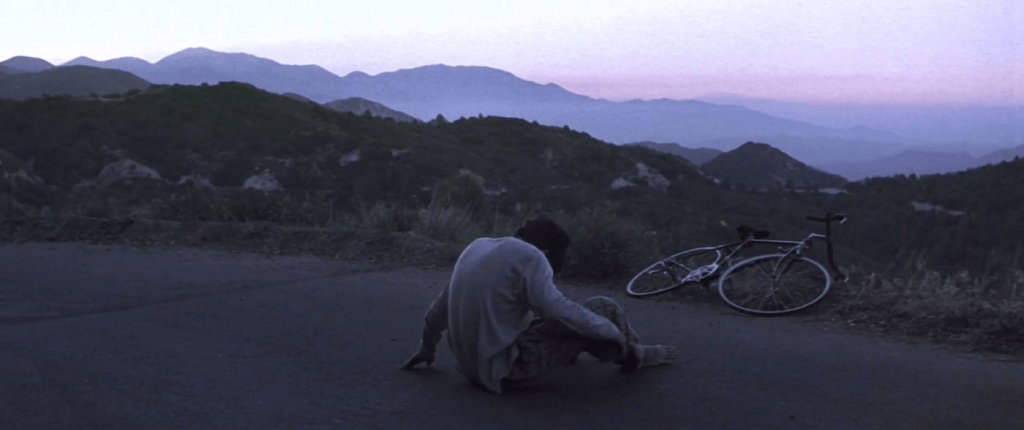
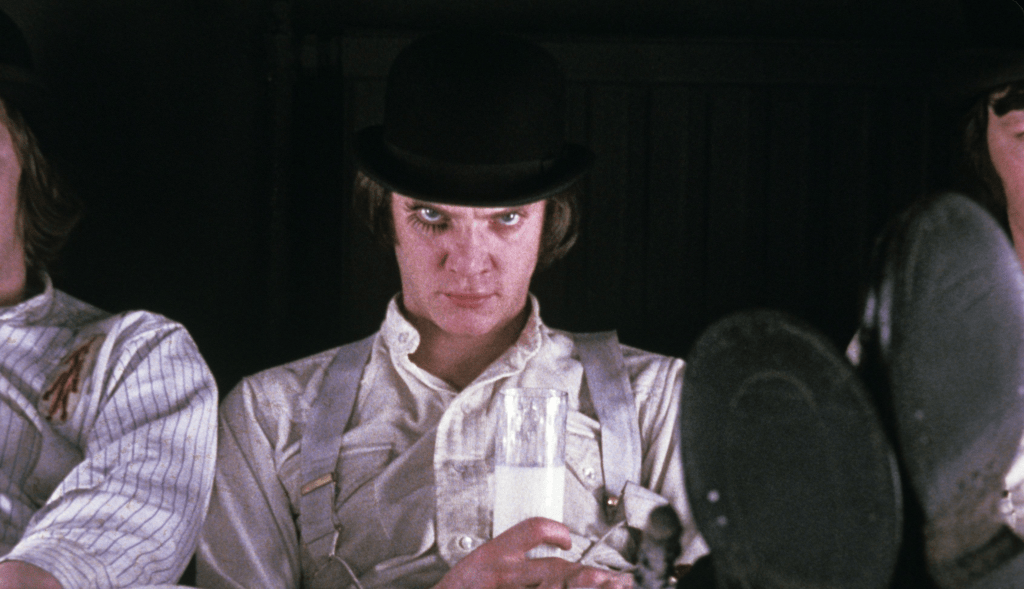
By Adam Page I’m going to tell you about a movie that you once couldn’t watch. Not because a censor or any court said no, but because one man, in one house in Hertfordshire, decided that his own movie was too dangerous to leave in the room with you. Say it slow: self-imposed. Keep saying…
-
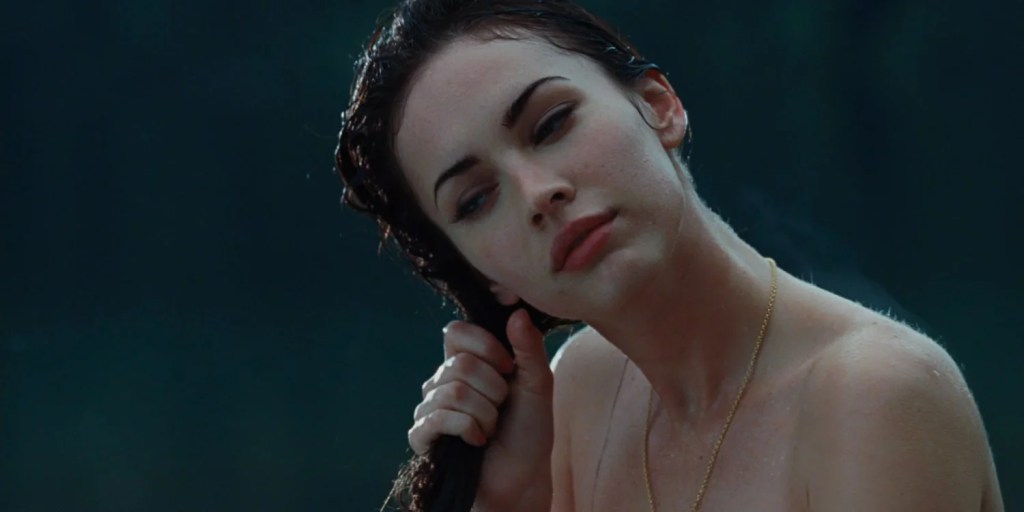
By Josie Allen For as long as Jennifer’s Body has been around, it has invited discourse surrounding feminism and homosexuality. The 2009 horror-comedy stars Amanda Seyfried as Anita ‘Needy’ Lesnicki, the film’s wallflower protagonist, alongside Megan Fox’s Jennifer Check, the alluring cool-girl best friend. When Jennifer is abducted by an indie rock band called Low…
-
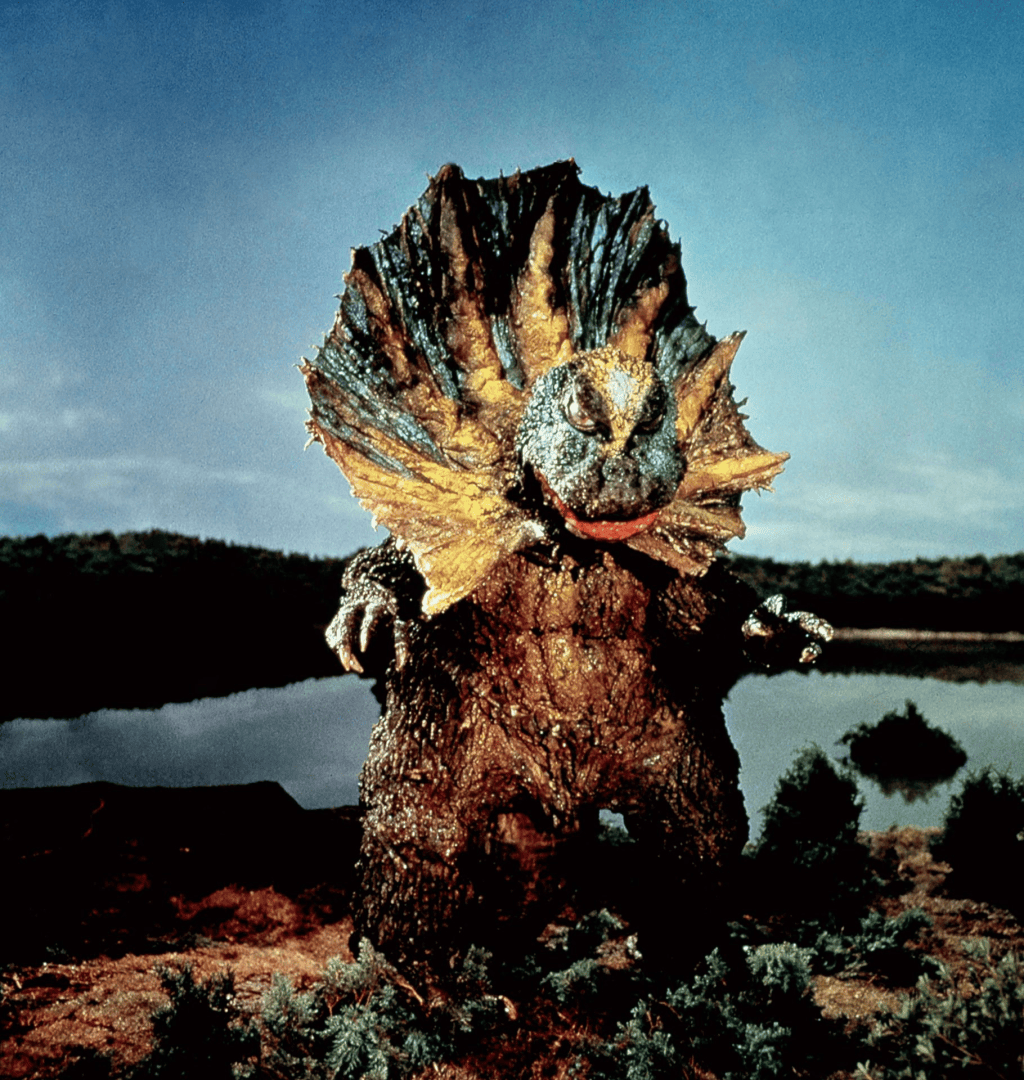
By Christopher Stewardson Ultraman (1966-67) turned 60 this past July. Naturally, Tsuburaya Productions has capitalised on the anniversary with an array of merchandising, special events, its newest Ultraman series (Ultraman Teo), and a far-reaching documentary (The Origin of Ultraman) which traces the global resonance, cultural position, and personal meaning of the Ultraman character. When Ultraman…
-
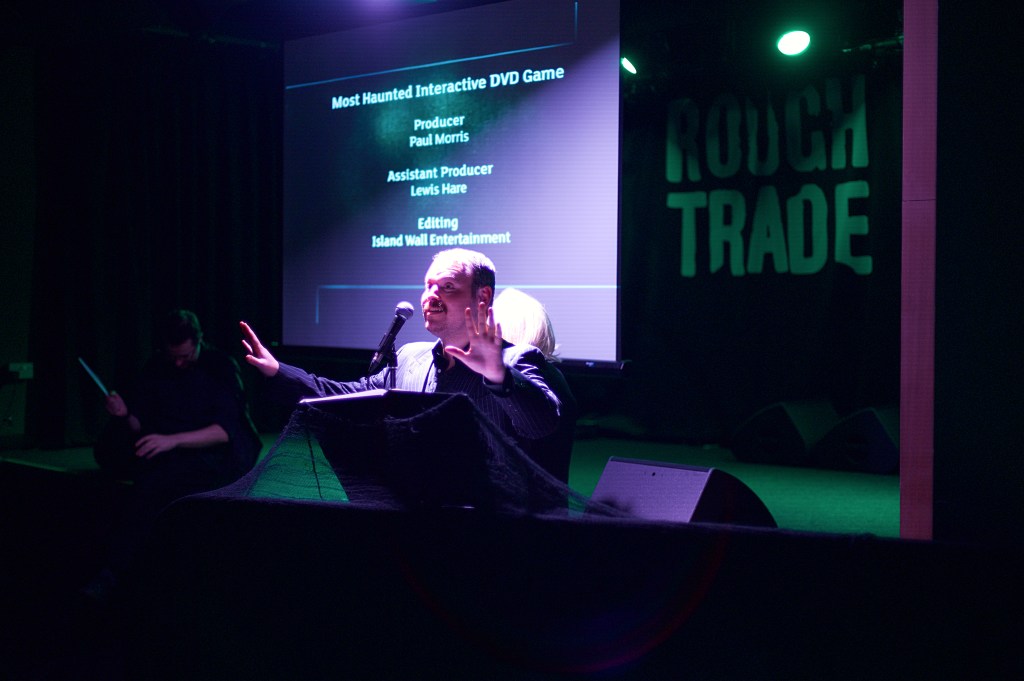
By Josh Coates Images courtesy of Bruno Castro About a year ago, the three Button Mashers sat around and discussed what makes a cinema fun. Being big fans of going it alone to the cinema, we wondered about how best to turn the act of seeing a movie on the big screen into a really…
-
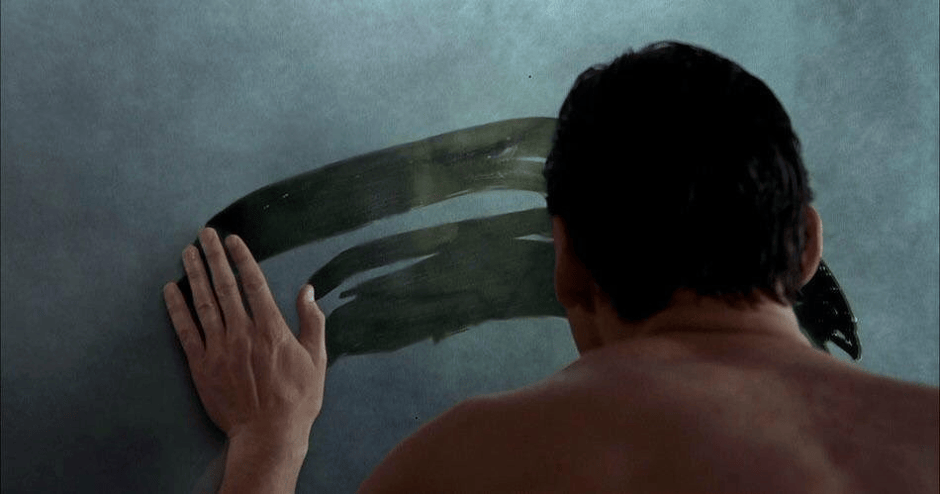
By Joseph Ratchford ‘Is he man? Or monster? Or is he both?’ was one of the three taglines that brandished the first issue of The Incredible Hulk. The others were ‘Fantasy as you like it!’ and ‘The Strangest Man of All Time!!’. They didn’t stick the same way.Created by Jack Kirby and Stan Lee in the…
-
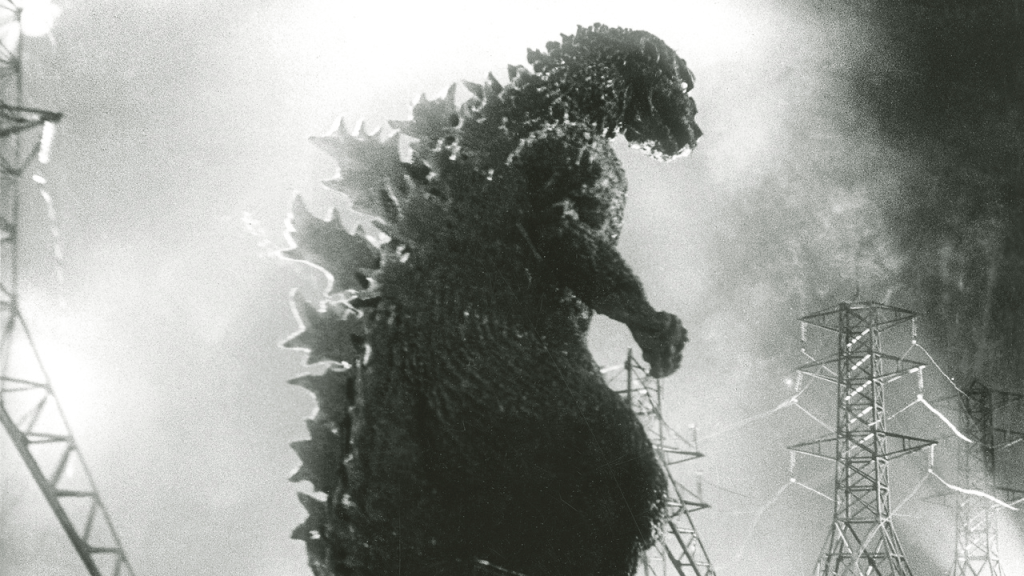
Kaiju are huge. If this claim is one made in reference to their physical stature, then, yes, of course they are – the largest creatures have been confirmed to stand taller than 300 metres into the sky, confidently dwarfing any nearby structures, that are often scattered amongst the rubble around them anyway; if we are…
-
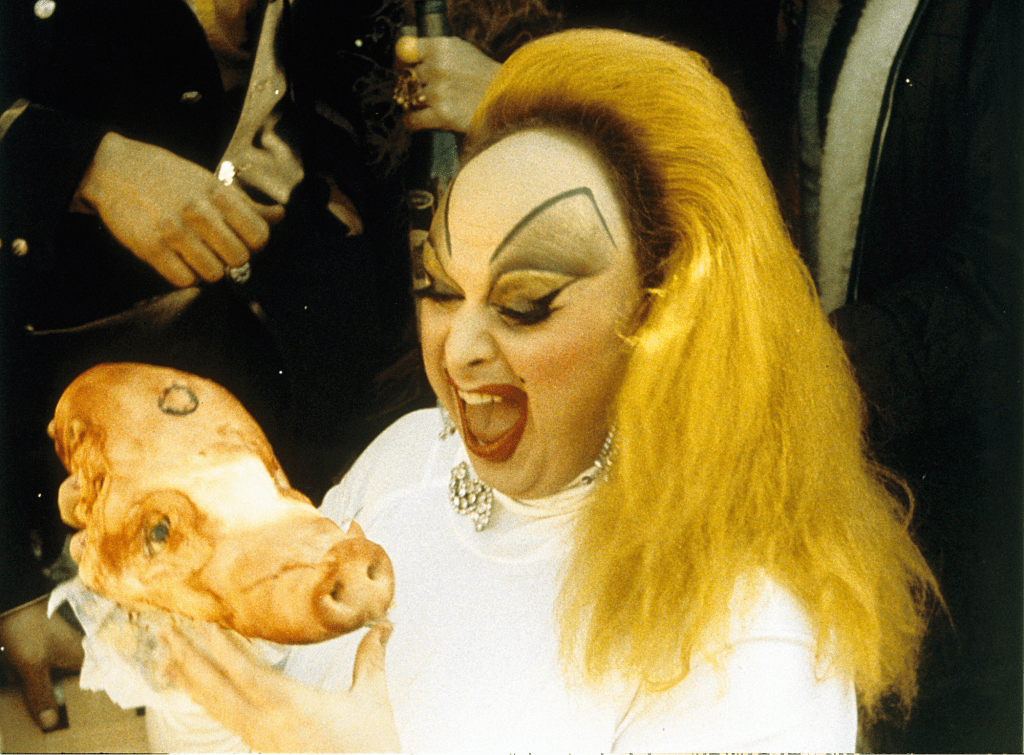
By Adam Page Are we sitting comfortably? Then I’ll begin. I want to tell a story about a woman. A woman who eats dog shit on camera and means it as a thesis statement. Not as a joke, or a gross-out gag for the midnight crowd, although it certainly is that, too. As a thesis,…
-
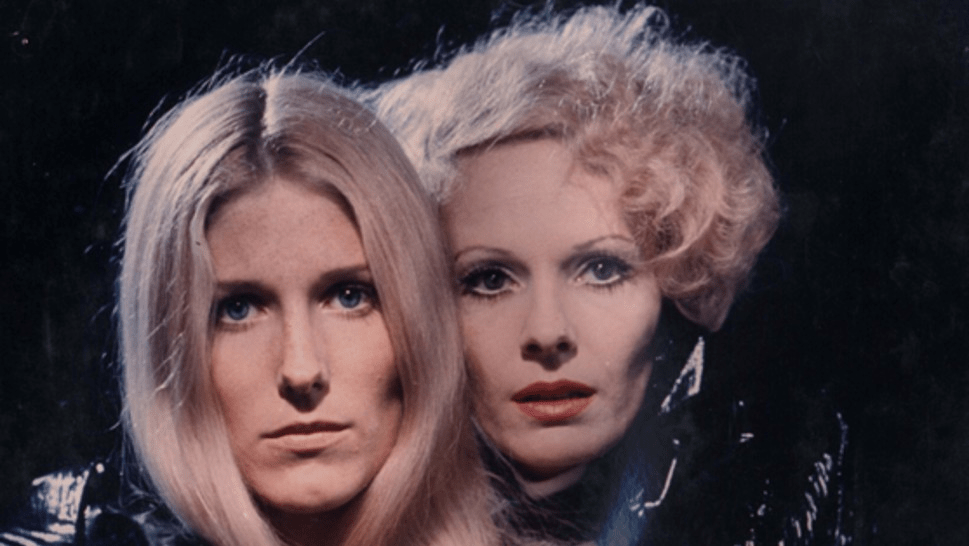
by Aninda Provati The LGBTQ+ community has long been fascinated with the horror genre even when it was hard to see the perfect representation in mainstream films back then. Directors started adding queer subtexts to their films, but they were used mostly to create the villains, the terrifying monsters out for blood. Queer fans soon…
-
by Christopher Stewardson Warning: this piece contains spoilers for Twin Peaks and Twin Peaks: The Return Posters for 1995’s Godzilla vs. Destoroyah proclaimed that “Godzilla dies”, a promise kept when the monster melts down at the film’s climax, accompanied by Akira Ifukube’s stirring melodies. Toho had put Godzilla temporarily to rest, closing their “Vs” run…


