
By Rosemary Stillborn
Seven shorts by queer, women and disabled filmmakers screened at Kiln Theatre on Halloween, asking who gets to be afraid, and who gets to be the monster.
Horror has never been shy about the body, yet it has rarely been generous to disabled forms, treating scars, prosthetics and visible differences as costumes for fear. On Saturday 31 October, Kiln Theatre in Kilburn invited audiences to look again. Flesh and Fear: Women & Disability in Horror was a 95-minute programme of short films by queer, women and disabled filmmakers.
Presented by Kinoema Accessible Screenings, Sick Girl Films and Girls in Film, with support from Cinema For All and the BFI Lottery Fund, the evening was hosted by Prano Bailey-Bond, the Welsh filmmaker of Censor (2021).
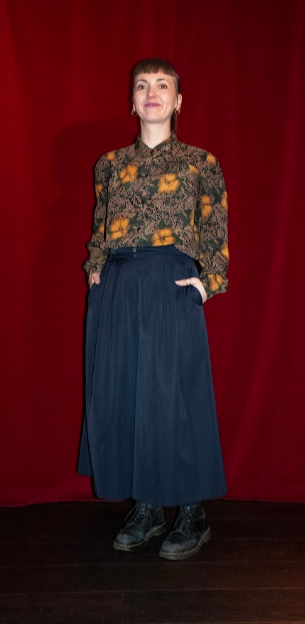
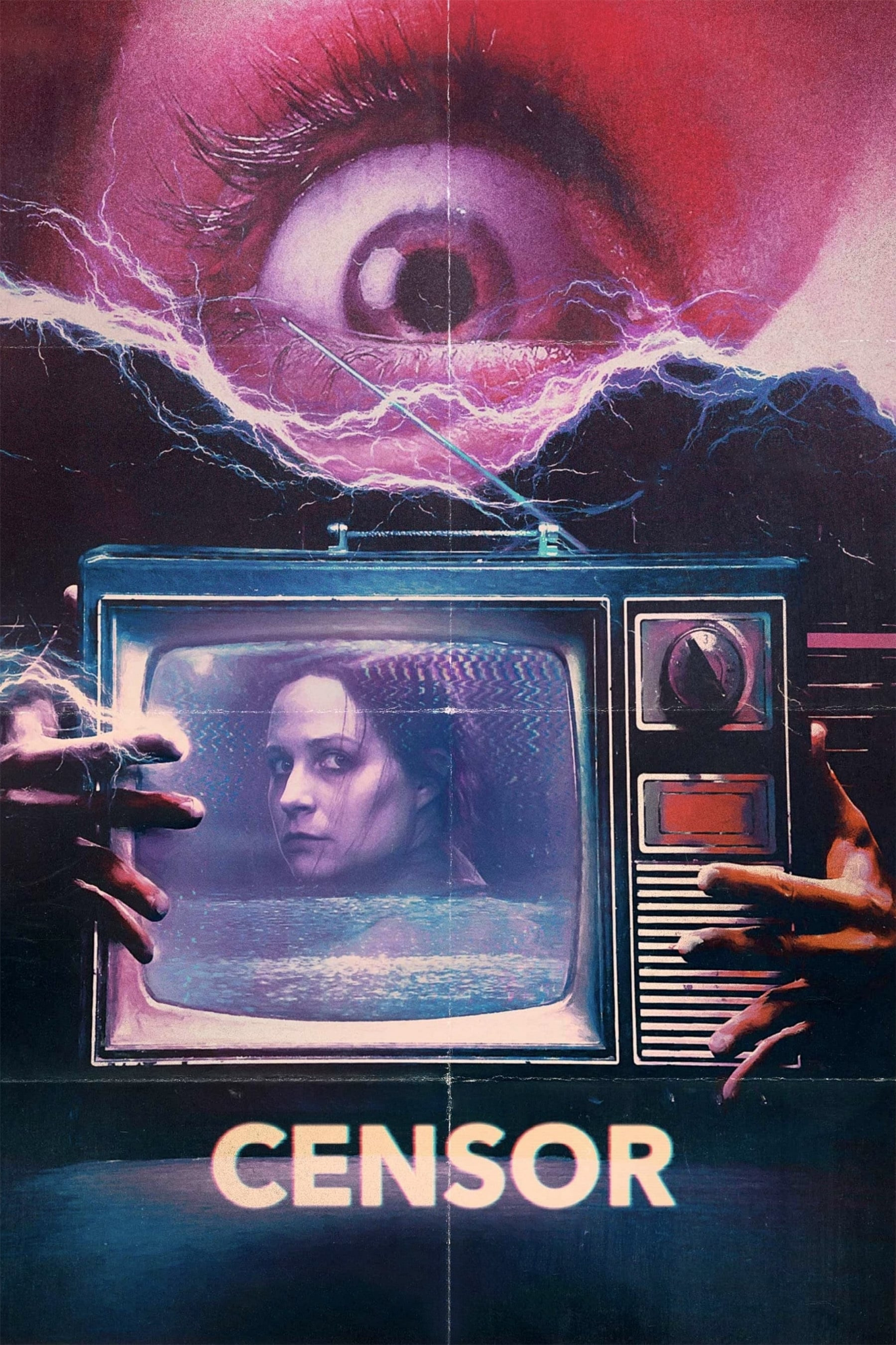
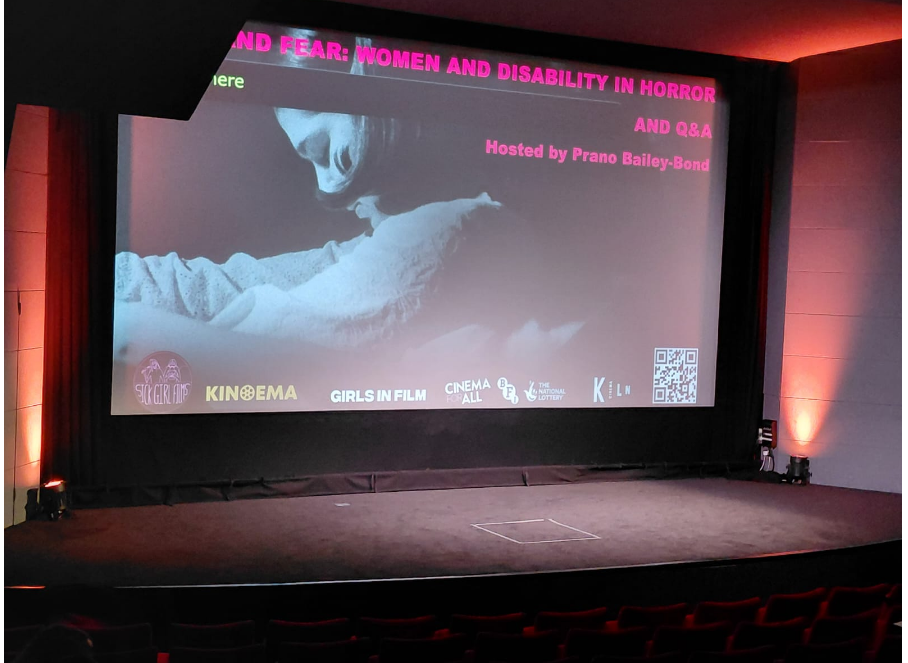
(Left Image: Host: Prano Bailey-Bond,Middle Image: Film Poster from Letterboxd of Censor 2021, Right Image: Empty Stage of Cinema Screen before the Screening)
Before the screening began at 7.30pm, the upstairs red-carpet entrance & bar area was already crowded. Guests had embraced the invitation to come in costume with gusto. Sick Girl Films host Lucy Hannah channelled Elvira in a black wig and velvet gown with her cofounder Olivia in a punk styled outfit. Kinoema Accessible Screenings’ founder Effie Veremi was dressed as Zulawski’s Possession titular lead & around her was a vampire with a trickle of blood at the lip, & an angel in feathered wings. The filmmaker Hannah Loveridge (I’m Your Man, 2025), arrived in a tweed blazer and tie beneath a pair of curling black antlers. Horror fans never do Halloween by halves, and this audience was no exception.
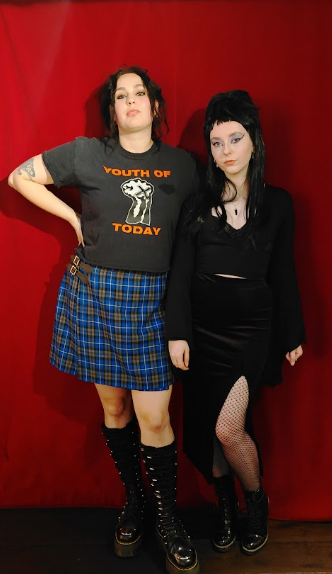
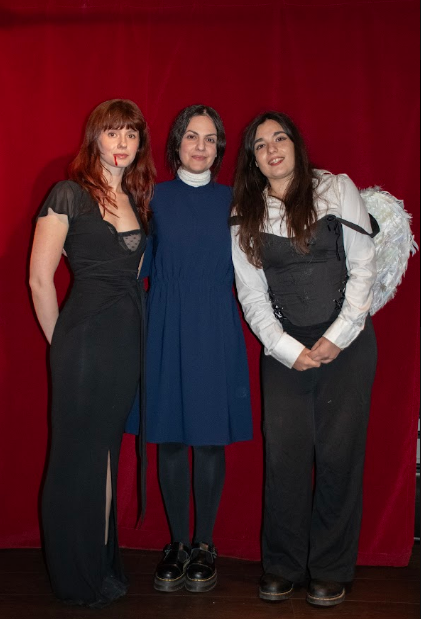
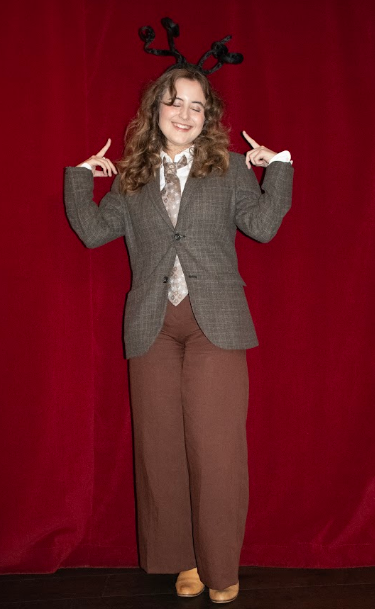
Olivia Hancock & Lucy Hannah; Middle: Kinoema Accessible Screenings Crew; Right: Writer & Director
An accessible space, by design
Access was built into the evening rather than added on. This was a relaxed screening: the lights stayed dim, the sound sat slightly below the usual level. Upstairs was the Quiet Room, a framed sign marked a room for anyone who needed respite: “This is a quiet space where you can relax.” Signs on the toilet doors reminded guests that everyone is welcome at Kiln Theatre, with facilities on site for all needs and a member of the team on hand for assistance.
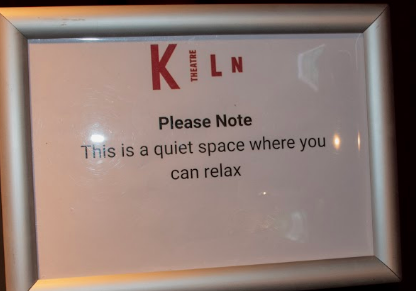
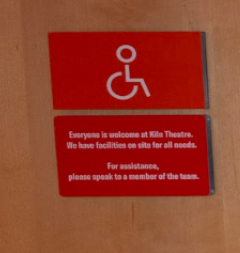
Inside the auditorium, the screen carried live captions during the introductions and Q&A. Closed captions remained through the eve. And the Cinema for All was very evident in the short intro film by Osaka at the start of the programme. Content warnings were specific, covering flash photography, images of body parts and human dissection, and the crunching and chewing sounds that can distress people with misophonia.
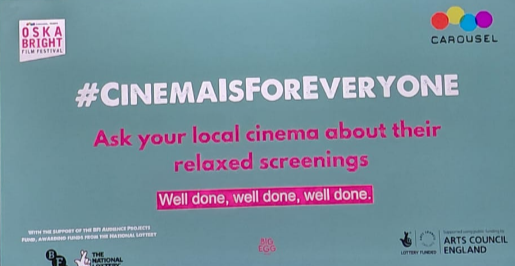
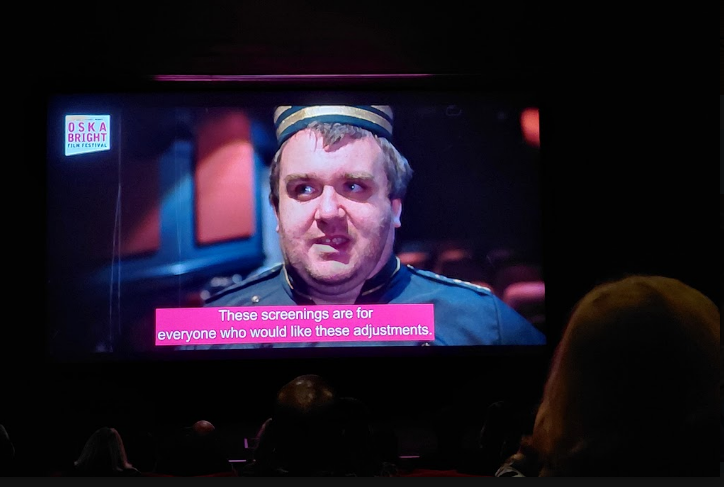
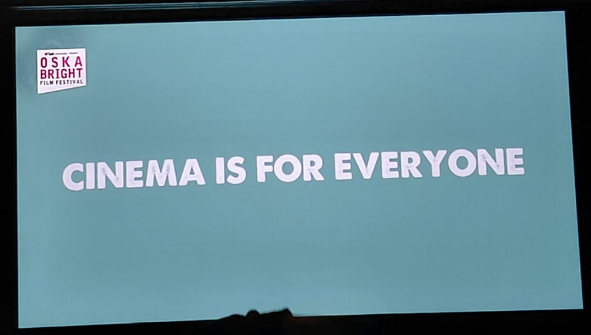
For a genre that trades on provocation, it was a reminder that care and fear aren’t opposites, as audiences surrender to being scared when they feel safe in the room.
Seven shorts, one set of question
The programme opened with Out of the Peat (12 min), Tabby Carless-Frost and Theo Rollason’s eco-horror of unearthed histories. Fae Al-Kalamchi’s Sucker (12 min) followed, charting the ravenous desire that takes hold between neighbours. I could hear a good number of chuckles from the comedic tones of the latter and the theme of horror comedy came up later in the evening.
Hannah Loveridge’s I Am Your Man (17 min), the longest film in the line-up, follows a sick woman whose gruesome discovery leaves her forever altered. It treats illness as part of romance rather than simply its opposite. Ruby Mastrodimos’s Thread Tension (13 min) brought a sly political edge, its possession seizing the means of production.
The sharpest and lightest moment came next. Holly Hunter’s Crunch (3 min) puts a misophonic woman on a commute beside a loud crisp eater, turning a daily sensory overload into compact, [funny] horror. Jasmine De Silva’s Beauty Sleep (13 min) shifted the mood, following a mortician who takes extreme measures with a make-up brush. It reminded me of a favourite Corrupted Fairytales style horror: The Ugly Stepsister with a splash of Juno Calypso’s photography. Anne Breymann’s Nocturne (5 min), a phantasmagoric stop-motion film about identity and vulnerability.
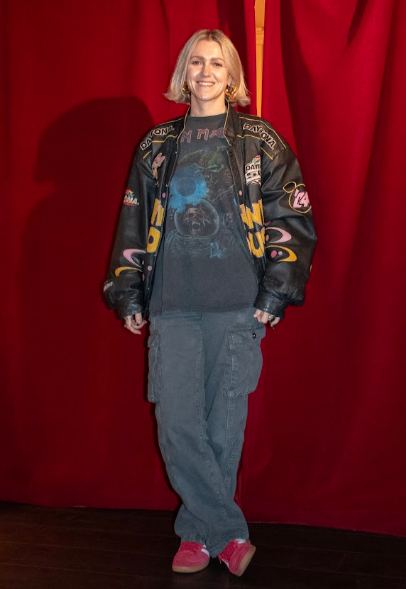
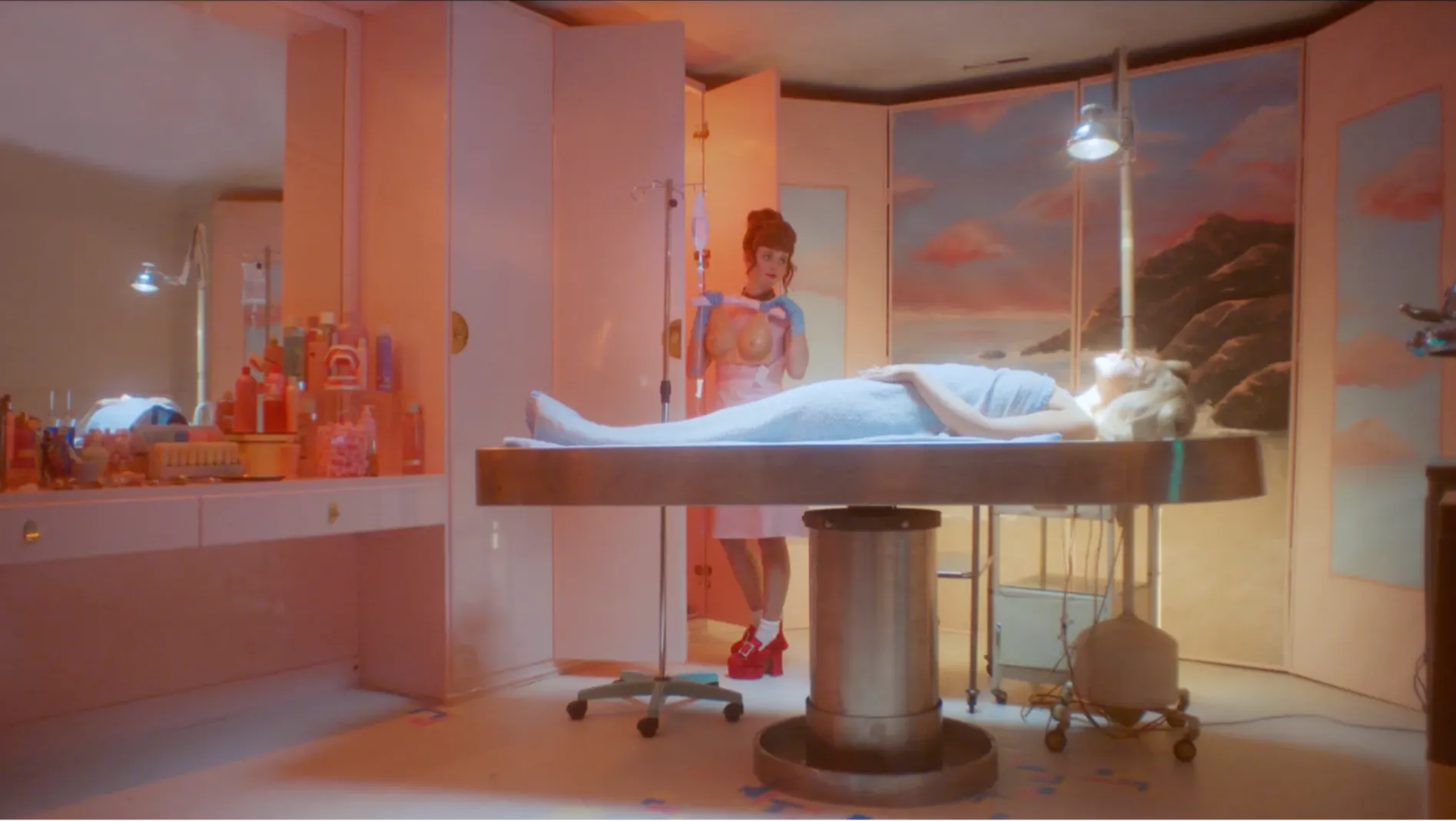
(Left Image: Director & Writer of Beauty Sleep, Jasmine De Silva; Right Image from 2026 Film, Beauty Sleep, British Council UK Film Database)
Ariel Baska’s Monstrous Me (16 min) closed the programme with its guiding line: “I wanted to be the monster!” The film follows a young disabled girl who is empowered by the monsters on screen. For people so often cast as the monster, wanting to be one is a claim to agency, and the line worked as a thesis for the whole evening.
In conversation
A Q&A with the filmmakers followed, hosted by Bailey-Bond, whose Censor examined horror’s own anxieties during the video-nasty era. On the red carpet, we put a few questions to organisers and filmmakers:
- What was the genesis of the event?
- Why is horror a good place to explore disability?
- What one or two changes would make film more accessible?
Kinoema founder Effie Veremi spoke about how the horror genre may have been taken over by stereotypes & wanted to platform actual women, nonbinary & disabled filmmakers. Actress, writer and director Safi Tobi named the changes she’d like to see specifically in cinema spaces such as “Ramps with sign language”, “closed captions”, & “lifts that didn’t break” Lucy and Olivia of Sick Girl Films, a disabled, queer horror programming duo who build community for disabled and chronically ill horror lovers, say “make it cheaper to make films”. De Silva and Loveridge also talked about the horror-adjacent films that shaped their work such as Lynch’s Blue Velvet & Bergman’s Persona.
Why it matters
What makes Flesh and Fear worth attention is that it didn’t argue the case in the abstract. It put disabled and queer filmmakers’ work on screen in a room designed for them, with the monsters, the jokes and the dread left intact. Seven films in 95 minutes meant seven tones, from eco-horror to stop-motion, workplace satire to body horror, so no single film had to stand for a whole community. This felt like a real treat of a festival that fostered community & spearheaded interesting interpretations on a popular genre with diverse representation!
If the evening had a limitation, it was its brevity: a one-night run on Halloween means many will miss it. The organisers’ regular screenings are worth following below in Details.
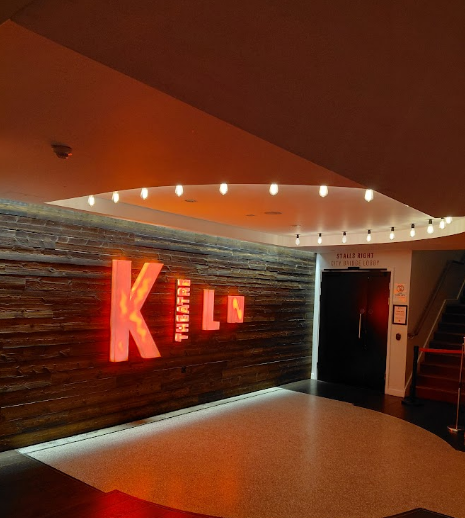
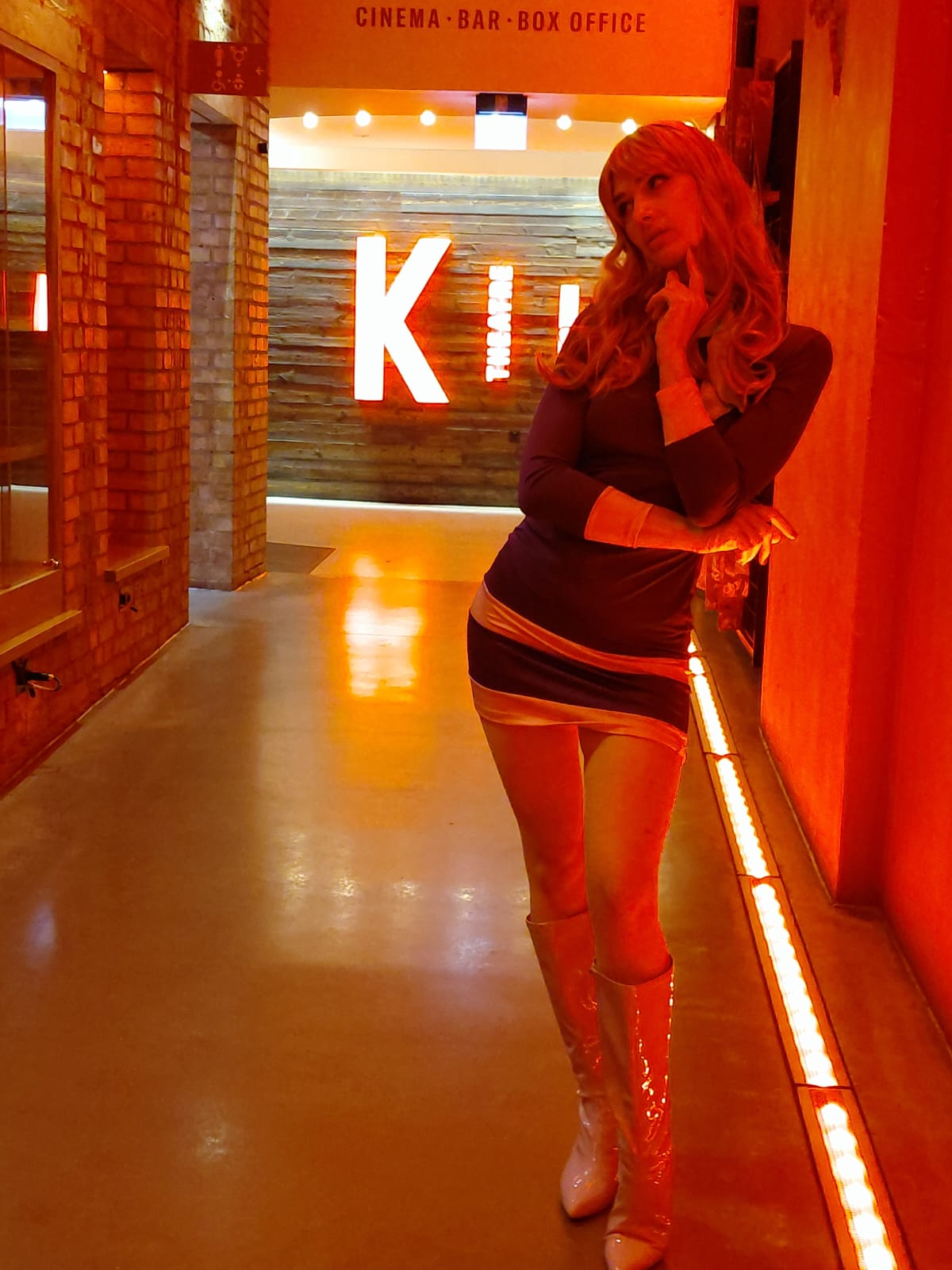
Details
Flesh and Fear: Women and Disability in Horror screened on Saturday 31 October 2026 at Kiln Theatre, 269 Kilburn High Road, London NW6 7JR. Tickets were £5–£10. Follow the organisers on Instagram at @sickgirlfilms, @accessiblescreenings, @girlsonfilm @cinemaforall. Censor is available on Channel 4 or Prime, depending on region.
Rosemary Stillborn (@rosemarystillborn on IG), is a poscast host and journalist. This article was made with support from her team at Preach2PervPodcast, IG:preach2pervpodcast, TikTok: @preach2pervpod


