by Isabelle Cocozza
Lost Reels, founded and run by Geoffrey Badger, hosted an all dayer at The Cinema Museum in September, named Women on the Edge. The programme contained a selection of sought after 35mm celluloid rarities that feature women in precarious life circumstances or mental states. The films selected were Micheal Winterbottom’s Butterfly Kiss (1995), Todd Hayne’s Safe (1995), Karyn Kusama’s Girlfight (2000) and Lynne Stopkewich’s Kissed (1996). Inside the gorgeous venue and friendly atmosphere of The Cinema Museum, I strapped in for a day of fascinating, underseen films and rare Q&As.
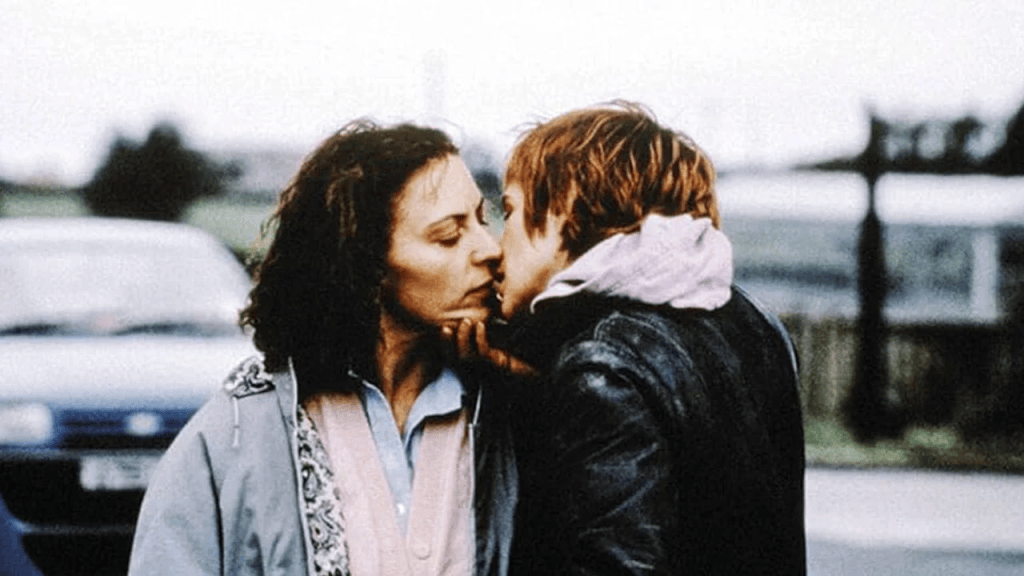
First up was 1995’s Butterfly Kiss, which stars Amanda Plummer as an unhinged chain-wearing wanderer (with a habit for murder) on the look for the mysterious ‘Judith’. Eunice acquires company in Miriam, a perhaps unremarkable woman and unreliable narrator played by Saskia Reeves, bewitched by the mystery of Eunice’s character and her search for ‘Judith’. The film is intercut with Miriam speaking to the camera through what seems to be a police interrogation which explores how she really felt while being whisked away in adoration and curiosity towards the unstable Eunice.
The film is a gritty, dark road film that examines the relationship between the two – the power that Eunice holds over Miriam and the elusive qualities that draw the two together – and the lengths to which Miriam will go to please and protect the erratic Eunice. Eunice is a puzzle, and her fervent mission to find out the name of the song is in her head she recently heard (erratically questioning petrol station workers for answers) and conviction that said workers must be ‘Judith’ are rather disturbing to watch. The feelings of pity towards Eunice and her clearly disturbed disposition combine with the fear of her threat to others and shock from her murderous tendencies, making for an emotive, challenging spectacle.
It is a truly singular film – the lesbian infatuation story between a timid follower and her self-punishing, troubled leader within the Northern landscape as they cover up murders is unlike anything I have seen previously within British cinema. The performances are all stunningly convincing and powerful – but Plummer takes the cake as the star of the show, giving a performance that will likely haunt her face in other performances I will see from her going forward. An in-person Q&A with producer Julie Baines followed, who shared stories from set which came from the film’s very small budget, including a crew member gambling for the van used in the film. Julie shared the heartwarming experience of how emotive rewatching the film was after 30 years, and truly what an achievement the film was at the time, which she had not appreciated since.
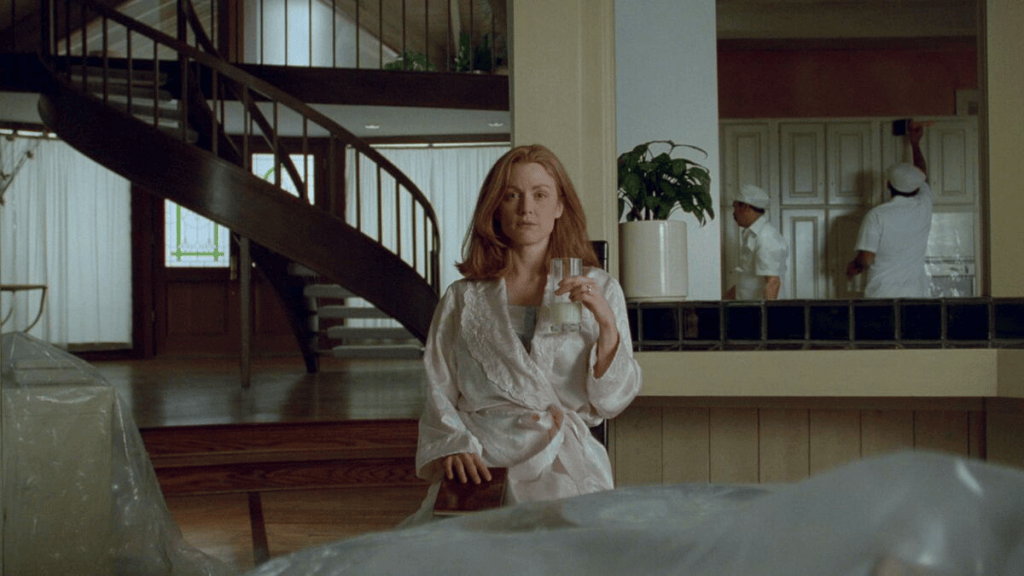
Next on the billing was Todd Haynes’ Safe, starring Julianne Moore in her first feature film role as San Fernando Valley housewife Carol, who falls mysteriously ill over time and whom doctors tell is clearly ‘fine’. Hayne’s film has become a cult classic, posing the idea ‘Are you allergic to the 21st century?’ – that our time may be doing us harm, mentally and physically. The idea of environmental illness is becoming increasingly plausible, and the treatments and skepticism for the idea is explored in this film. Carol attends an Albuquerque wellness retreat which has some subtle religious and cult manipulation tactics at hand, and the film remains captivating when framed to address our current wellness landscapes propelled by social media influencer culture. The performance by Moore is so genuine, subtle and executed with a quiet precision where you can feel Carol’s discomforts bubbling before they surface. The supporting roles, particularly of the wellness retreat staff made for an uncomfortable, often changing undertone of both safety and harm. This was my first watch of the film, and its brooding tone (emphasised by fantastic cinematography utilising voyeuristic wide shots) and central performance made the experience worthwhile.
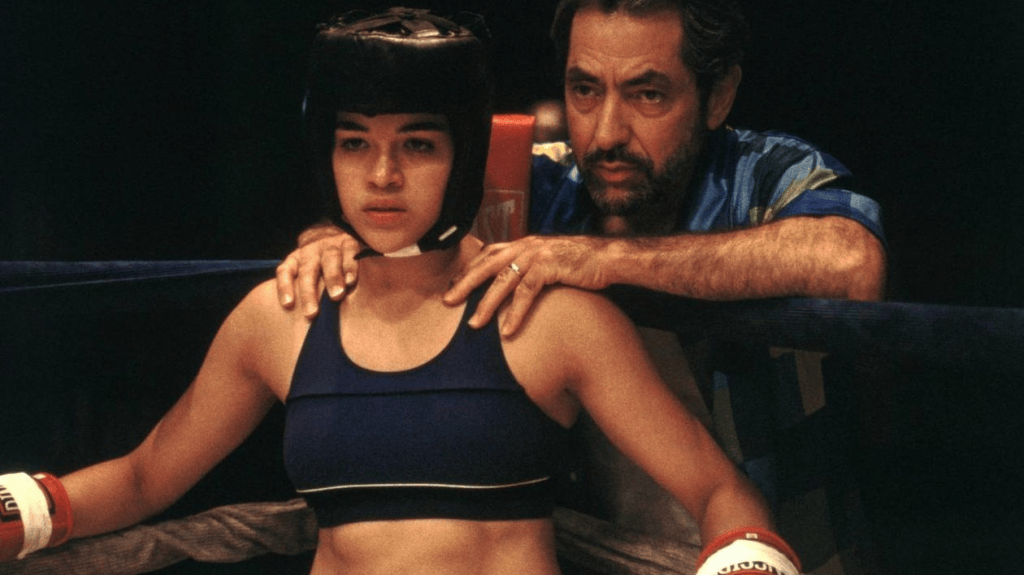
Karyn Kusama’s Girlfight, introduces mega star Michelle Rodriguez to the screen, playing Diana, a troubled Brooklyn teenager who, against her dad’s wishes, trains to become an amateur boxer. Her brother attends his boxing coach reluctantly, while the idea that x wants to attend is aggressively denied and shut down by her father. The hypocrisies from others and the injustices they exert onto her is shown very well, even in characters that do not seem malicious and even grow to support Diana, they are clearly shown to hold their own prejudices, even when respecting her. Her navigation of first romances is explored through an older boxer from her gym, and we become immersed in her tragic homelife. Girlfight is an impressive achievement that takes its subject matter and its characters seriously. A Q&A with Karyn Kusama followed, revealing her inspiration behind this debut feature from her personal experiences with boxing. The film’s rare and gritty print accompanied the Brooklyn setting beautifully.
Girlfight was probably my least anticipated of the day as I am not a sports film fan, but the performance and characterisation of Diana was powerful enough to have me truly invested in her story. It may have been a little too long, but the immersion into her world, her frustrations and passions definitely left a mark after viewing.
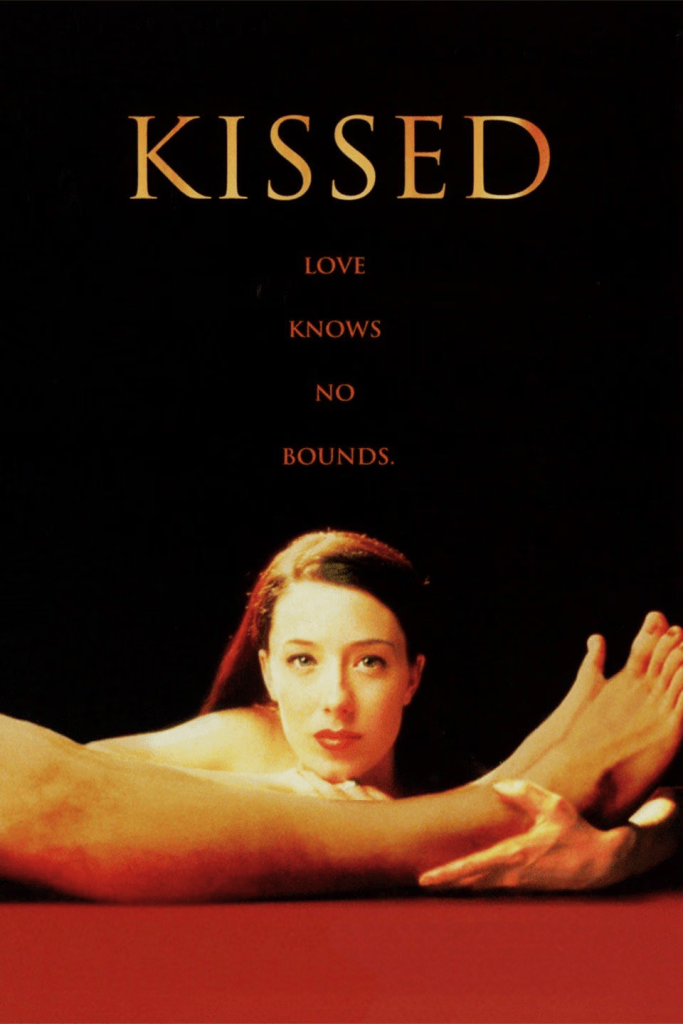
Kissed follows Sandra (played by Molly Parker), a woman who’s fascination has always been death. As a little girl, this fascination manifests in burials for dead birds. As an adult however, this turns to a transcendent, ‘loving’, and sincere compulsion of necrophilia. A Canadian film released in 1996, Kissed was buried under Cronenberg’s Crash festival controversy, though managed to ruffle many feathers upon its release. Kissed was surprisingly short, but packs a punch. It follows Sandra’s career aspirations as a mortuary assistant, how her vice begins to develop and her experience with finding her first boyfriend – who is hell bent on getting ‘involved’ in Sandra’s necrophilia. This however, she does not tolerate, as it is something ‘sacred’ to her, and not a cheap thrill he can sit in on. A humorous and educational introduction by wonderful Rio Cinema programmer Molly Miles prefaced the film which ramped up the excitement, as Molly’s passion for the film was palpable. Geoffrey also noted that he does not take requests when programming for Lost Reels, but that Molly’s ardent adoration of this bizarre film encouraged him to see it which led to this screening. A fascinating Q&A followed the film from director Lynn Stopkewich, discussing the intimate nature of the film’s creation as her university project and revealing to her parents the subject of the film, was humorous and enlightening. The film was right up my street, as a morally ambiguous exploration of a young woman’s bizarre desires, and the kindness that the film allows her to be presented with is extremely individual and intriguing. As certainly a ‘lost reel’, it really spoke to the value of these screenings, as the experience of seeing this film screened, especially from celluloid, seems near impossible without efforts like Lost Reels.
Women on the Edge was a day of fascinating films that, despite the films’ disparities in location and plot, felt intentionally programmed by Geoffrey. This range of the films included worked to Lost Reels’ favour as a dynamic and continuously engaging day, a crucial element of a successful all-dayer. The appeal of the rare prints screened offered an experience that you cannot achieve at home, making the event feel certainly worthwhile and the mission of Lost Reels greatly achieved. Thank you to Geoffrey for having me!
Isabelle Cocozza (Instagram: issycharliedennis) is the Founder & Editor in Chief of Culture Film Publication, a film production student and photographer. She is based in Bristol and Bedford, with areas of interest in horror, cult/genre, and psychosexual filmmaking.


