
by Evie Johnson
The lulling summer sun and a knife-wielding masked murderer. These are the films that remind us just how terrifying broad daylight can be.
A secluded space, limited suspects and an atmosphere reminiscent of Lord of the Flies’ youth-induced chaos are all components of the summer camp slasher, a subgenre which continues to expand despite its niche specificity.
Amidst the release of Jane Schoenbrun’s Cannes-hit Teenage Sex and Death at Camp Miasma, a current horror ticket-sale surge and a widespread affiliation for the so-called ‘Slasher Summer’, it seemed a good time to tell the summer camp’s story.
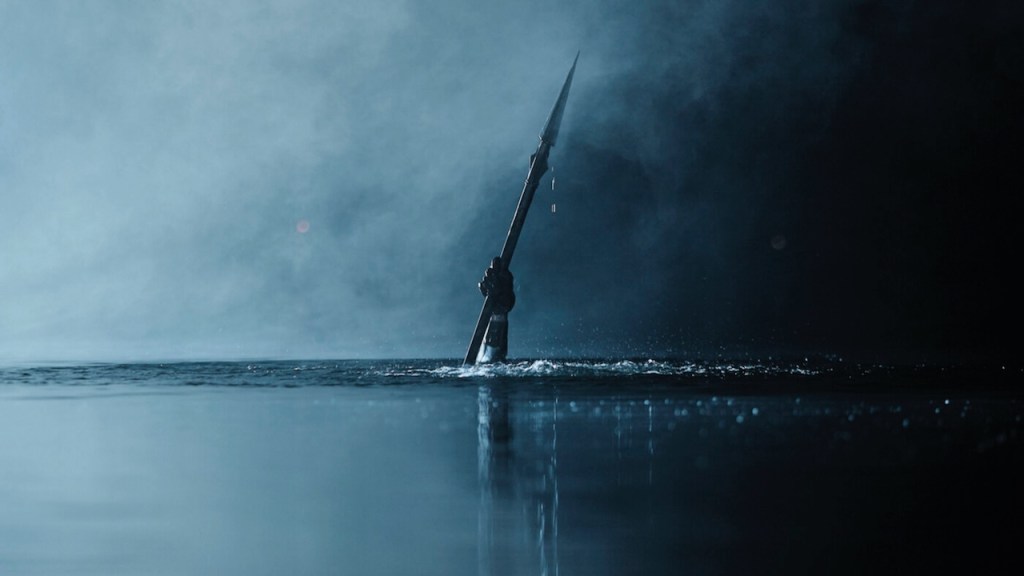
The slasher is a horror subgenre, requirements of which include a group of characters being hunted by a masked antagonist one grizzly kill at a time, a high body count and a final face-off between hero and villain. The concept is classically simple yet effective and audiences have been engaging in the easy-to-follow recipe since the ‘60s with Alfred Hitchcock’s iconic Psycho.
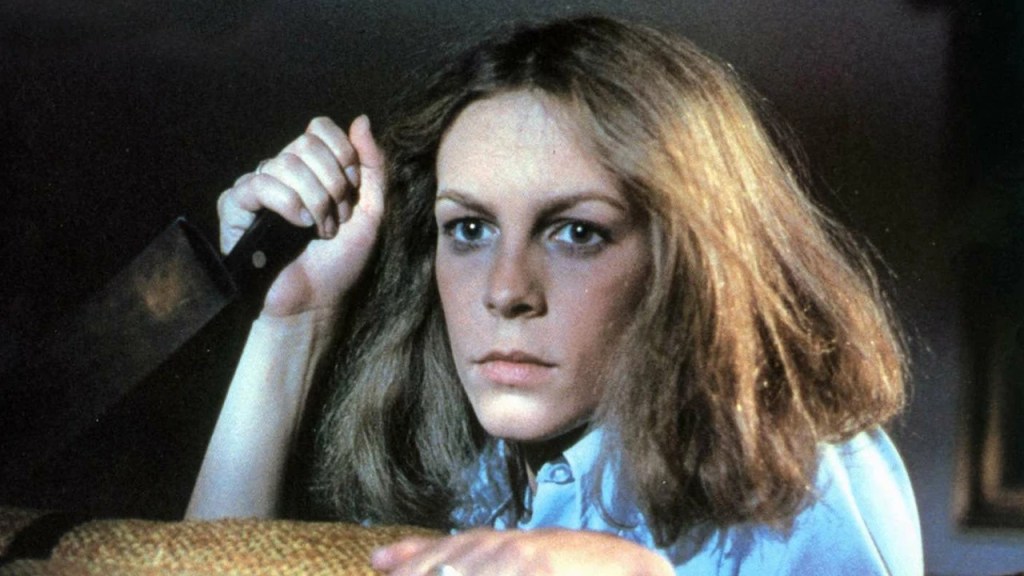
In 1978 the slasher we know today would be founded in John Carpenter’s Halloween, which took the subgenre’s core elements and set them alight with a dynamic adolescent energy, the hum of Halloween night and heightened suspense by introducing ‘final girl’ Laurie Strode (Jamie Lee Curtis) on whom the audience could pin their sympathy.
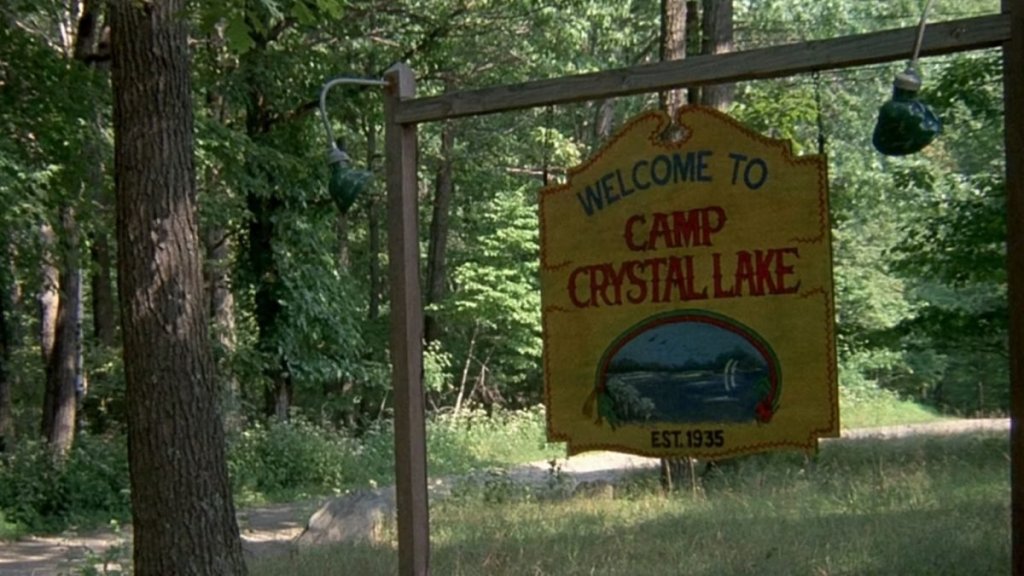
Victor Miller embraced the flame Halloween lit, adding kindling in the form of an intelligent horror setting: the summer camp. His screenplay would become 1980’s Friday the 13th, the first of its kind. The film lifted the slasher subgenre out of small town America and dropped it in Camp Crystal Lake, a deceptively idyllic name serving as an illustration of what makes the setting so appealing; by placing it in the horror genre, perceptions of the summer camp as a sanctuary can be torn apart, replaced by a feeling of unease lying deep in the gut.
Friday the 13th would be the first to realise the setting’s potential, its features remaining ever-attractive for great horror. The summer sun creates a dichotomy with the story’s dark undertones in a way which enriches them, and fosters the opportunity for appealing plot points. Warmth draws the campers outside, into the woods and water where shadows paint pictures of the figure whose haunting story has been told by the fire. A potent air of carelessness leaves them alone and far from the help of their peers.
Seclusion plays a vital role in ensuring tension as the film opens with a long drive through barren wilderness, the emptiness between camp and the rest of society swallowing its characters into the inescapable belly of their fate. Emergency services are far removed and when they do intervene, ignorance, incompetence or arrogance will impede their ability to do so constructively, tapping into the common fear of not being able to trust those who are entrusted to protect us.
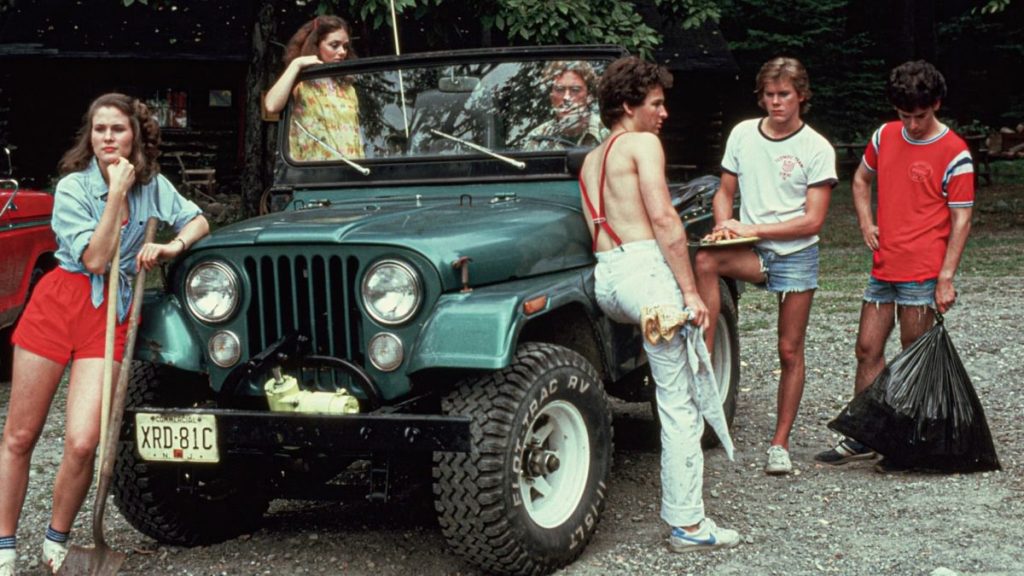
Friday the 13th was also the first to place teenage camp counsellors at the centre of its narrative, their adolescent excitement set against the warm hues of a blue lake and green forest in a vibrant introduction which makes the certain gore all the more gory. They sit in the uncanny place between childhood and adulthood, combining a newfound freedom with a youthful clumsiness to widen the plot’s scope of opportunity. During the transitional time of summer break, the summer camp is a liminal space not governed by the normal rules of society and where anything is possible.
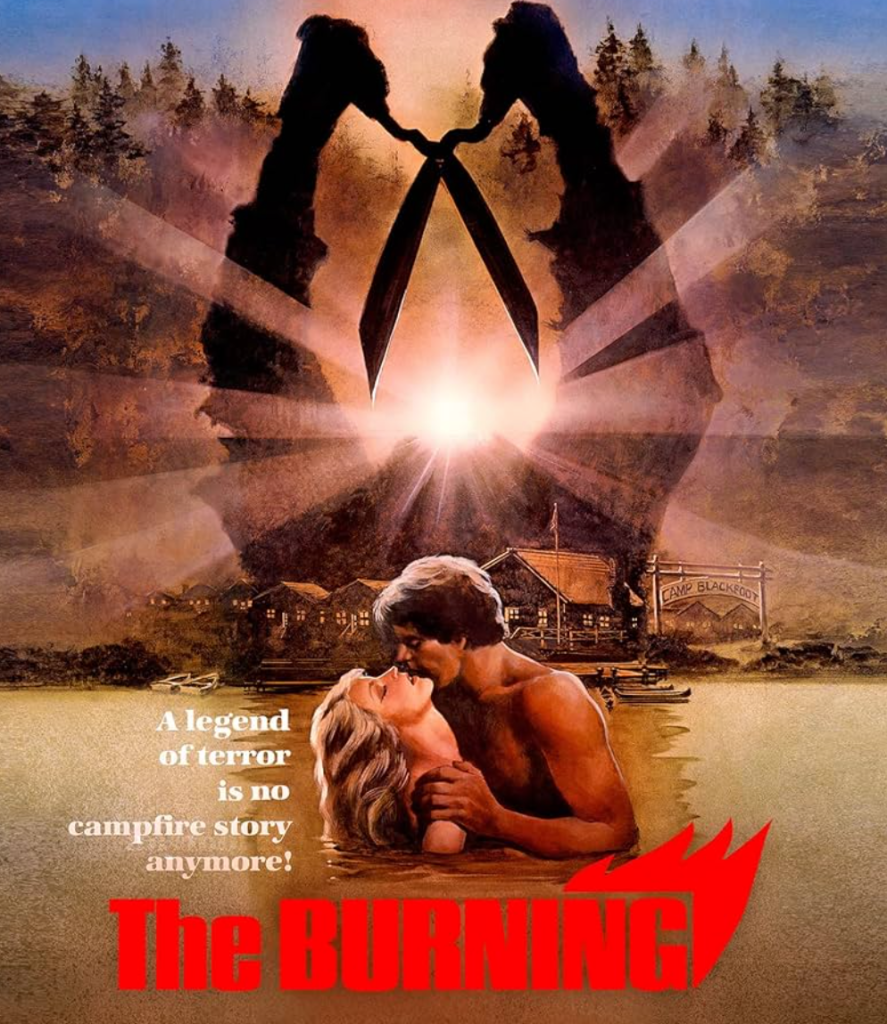
Friday the 13th demonstrated the potential of the summer camp slasher and filmmakers and audiences alike did not want to get off the ride. By 1989, Friday the 13th was an eight-film franchise sitting alongside numerous others (The Burning, Sleepaway Camp, The Madman and Cheerleader Camp, to name a few) in the list of films belonging to the subgenre. Their aesthetic was beloved, but retrospect makes clear the issues of damaging ‘80s tropes. In the words of Scream’s slasher expert Randy Meeks, “sex equals death” and despite the summer camp being a place of vulnerable coming-of-age, adolescent sexuality was used as justification for the adolescent’s tragic fate. Revenge was a constant theme, the respective film’s events often taking place on the anniversary of the killer’s origin and a consequent implication that the young characters deserve what befalls them. The ‘90s and noughties would consequently abandon the subgenre, plunging it into a drought.
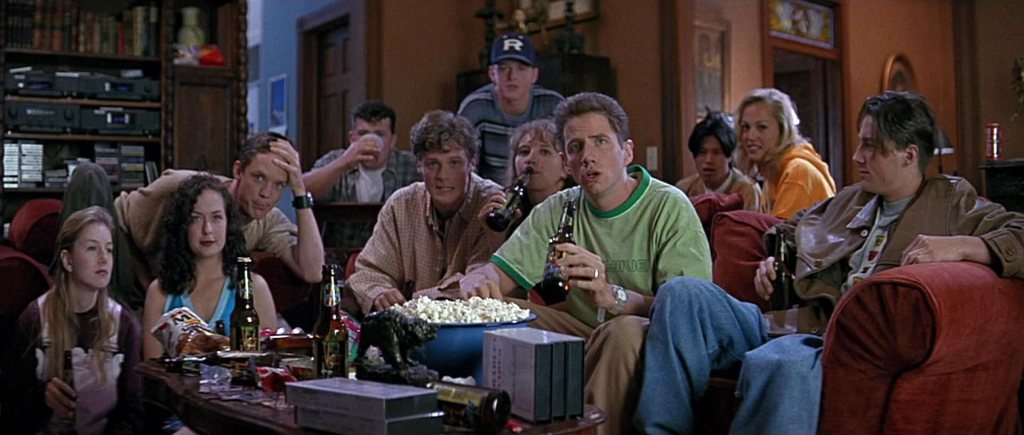
1996’s meta blockbuster Scream intelligently challenged the cheap thrills of the previous decade. Screenwriter Kevin Williamson realised audiences could handle progressiveness and his respect for female characters, camp ‘90s humour and mature, multifaceted villain shone a light on the unfortunate simplicity of the 1980s summer camp slasher. An increase in travel and relocation amongst young people also meant a setting far from home could no longer be used to induce fear and pop culture, as it ever does, became more explicit. The era denied the summer camp slasher as a credible source of cinematic adrenaline.
But a history drenched in sleaze would be the fertile ground in which contemporary discourse could be planted, allowing the subgenre to grow again in the form of the comedy horror. 2023’s Hell of a Summer was not afraid to embrace the undeniably attractive features of the subgenre, leaning into the camp flair of the month of July before indulging in self-referential commentary on sex and morality infused with dark humour. References to a much-too-old camp counsellor, the value of gender studies and a killer whose shallow motivation is viral fame make clear that Hell of a Summer knew exactly what it was and where it wanted to take the summer camp slasher.

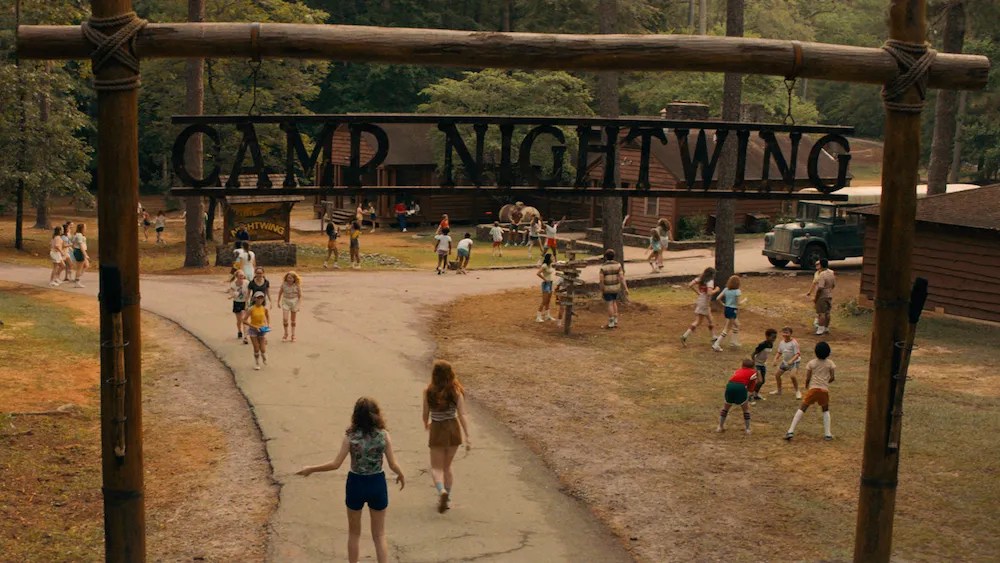
More than ever, horror is being pushed to the extreme and 2021’s Fear Street Part Two: 1978 helped to revive the subgenre by reminding audiences just how scary the summer camp setting can be. Setting the 21st century film in the late ‘70s kept the classic aesthetic alive through a tactile production design, bringing a 21st century audience closer to the ‘80s classics than they had been for years. But this audience would not allow for damaging tropes and, drawing on the mature slashers of the late ‘90s and noughties, introduced complex killer motives, dynamic characters and a script evoking the emotions that such a tragedy in a children’s safe haven should. It served as a reminder of the subgenre’s brutality, giving newfound respect to the concept’s heaviness and the tolerance of a 2021 horror audience.
August 2026 marks the subgenre’s newest release, Teenage Sex and Death at Camp Miasma. It is a film by Jane Schoenbrun of I Saw the TV Glow, which served as a strikingly visual depiction of themes of identity and repression. Sold with the tagline ‘a new kind of horror remake’, Teenage Sex and Death at Camp Miasma film follows a queer filmmaker (Hannah Einbinder) who is hired to make the sequel to an exhausted summer camp slasher franchise and casts the original film’s final girl (Gillian Anderson). The VHS-style teaser is a nod to the subgenre’s origins, an affectionate gesture set against a story which will explore how cinema impacts both those who are and are not represented by it, brought to life on the bedrock of the summer camp slasher’s exclusionary past. Promotional content show visceral depictions of the blood, gore and sexual desire which lie deep in buried roots of the summer camp slasher, pulling them out of the soil and asking the question of how much is pretend, and how much is strikingly real?

Teenage Sex and Death at Camp Miasma is set to embody meta commentary and serves as an exciting reminder of how far the subgenre has come. The summer camp slasher is now a canvas upon which to paint vivid explorations of its history while unashamedly maintaining a camp, gory identity.
So watch, enjoy and always remember: do not be fooled by a soft summer night.
Evie Johnson is a freelance journalist, critic and writer of Substack’s Thought Follows Film based just outside of London. She most enjoys writing when there is a cup of tea to hand. Email: evie.johnson0704@gmail.com, Instagram: eviemjohnson


