
by Emma Arneil
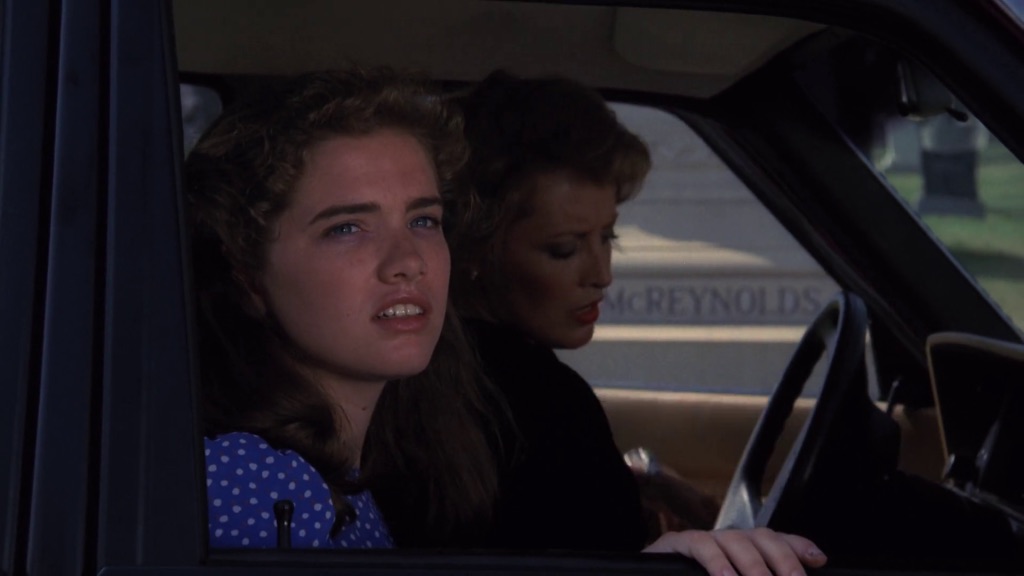
Being a teenager is hellish. Your body is changing at a terrifying rate. Your friendships, once solid, can now feel fraught with tension, and your parents seem to clamp down harder on you just as you’re trying to pull away.
The desire for freedom, while still being stuck under someone else’s roof and rules. That push and pull – of wanting control while the adults around you seem to be losing theirs – is terrifying. This conflict is timeless, but in 1984, Wes Craven gave it a face, a striped jumper, and a knife glove.
Nightmare on Elm Street looks like a slasher on the surface; however, it is so much more than that. The nightmares, the blood, the surreal dreamscapes all serve as metaphors for adolescence. Freddy isn’t just a monster lurking in your sleep. He is the embodiment of everything teenagers fear: loss of control, the pressure from parents, and the weight of their past choices and the suffocating sense that life isn’t really yours.
Dreams as a battleground
The thing with dreams is we never know the moment we fall asleep. There is no signal, no warning. All we recognise is the comfort of our bed and the illusion of safety. Elm Street uses this safety and twists it into a trap. Sleep means the nightmare has begun, and it’s often too late before it is realised.
Craven stages that shift from sleep to nightmare with the uncanny. A place you shouldn’t be, a whisper that feels familiar but off. It’s the start of the stalk, the build of dread before the vulnerability of sleep renders you powerless.
Tina is pulled from her bed and the safety of her room into the dark and attempts to stand up for herself – challenging Freddie and his attempts to control her. Vulnerable and brave, she tries to push back against this dominance and for a flicker begins to feel powerful. Then the dream betrays her and her resistance and desire to fight against him is met with one of the most brutal and shocking deaths in horror: dragged, screaming across the ceiling, her body is turned into a sight of horror. As we and Rob watch helplessly.
The the cruelty of Cravens dream world is that the moment of slipping under is never felt. It’s only when it’s too late do you realise you’re trapped.
Parents making it worse
What’s striking in Elm Street isn’t just the sheer incompetence of the teens’ parents but their refusal to see their children for who they are and for what they are experiencing. Marge Thompson drowns herself in a bottle of vodka daily while locking Nancy in the house and insisting that she knows best. Nancy’s distress is dismissed with a wave of her hand. Nancys father, while more aware of his daughter’s emotional state, will hide behind his badge and infantilise Nancy, treating her like a hysterical child instead of seeing her as the only person who is able to clearly see what is happening. Nancy isn’t just ignored; she is gaslit constantly and when she speaks the truth or probes deeper, the adults deny it to her face.
In Elm Street, true to tradition Glenn’s parents show the same dismissive traits. They sneer at Nancys concern, dismissing her as trouble . Tina’s mum, in the small interaction we see, it is clear that she is fractured from Tina, appearing to be wrapped up in her own self-destruction and almost oblivious to Tina’s clear distress at her nightmare and then disappearing altogether and leaving Tina alone the night she needs protection the most. Not just negligence but abandonment.
Absent parents are not an unfamiliar trope in slasher films, but Elm Street seems to go deeper. These parents seem wilfully absent. Denying their children’s reality, denying their fears, denying and silencing their voices. Their children are screaming for help, and they choose not to hear it. It is within that silence that Freddy gains power. What makes this sting is how recognisable this feels. Being a teenager often means shouting into a void. Your problems are written off as drama. Your fears are brushed aside as exaggeration. You’re told that adults know best, even when you can clearly see that they don’t. This is the core of Nancys experience – she’s right, she’s living this, and the people who should protect her don’t listen.

The Sins of the Parents
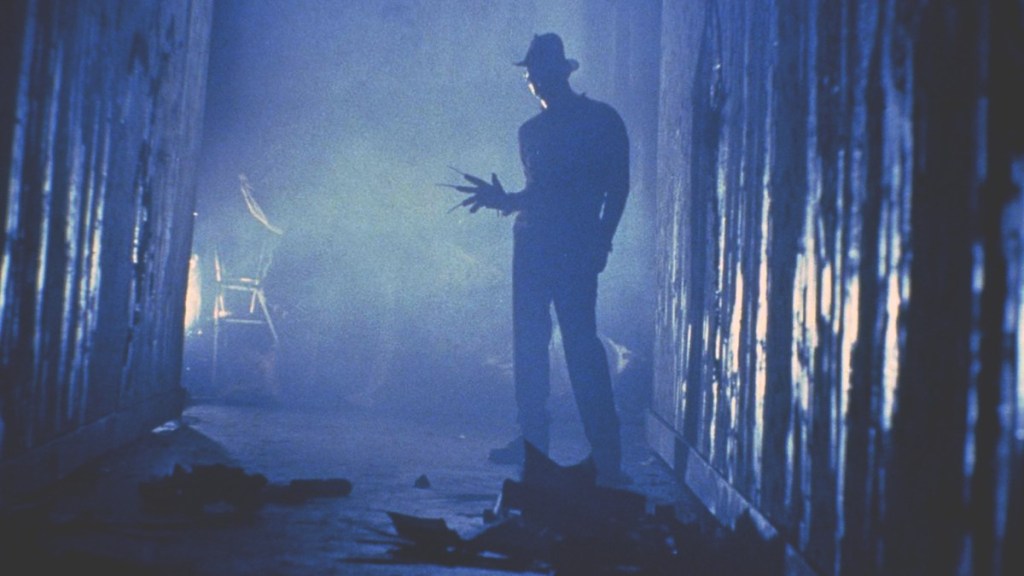
Freddy doesn’t haunt Elm Street because of the teenagers. He’s there because of their parents; they are the people who decided that burning him alive was the only way forward after the courts failed them. By the time they killed him, the damage was done. Their actions were punishment and vengeance. Not protection.
So we’re left with the question: does Freddy kill these teenagers because they are the children of his killers? Or is he so malicious that it would be anyone who inhabited Elm Street? Craven never really answers this question and it’s this ambiguity that is terrifying. Freddy isn’t just vengeance; he’s evil, and evil doesn’t need justification.
Then there is the personal weight of guilt. Marge keeps Freddy’s glove, the murder weapon, locked in her boiler room like a grotesque trophy, a constant reminder of what she did. We never find out her level of involvement; did she lead the charge against him? Is that what destroyed her marriage? Her drinking, the tenseness of her relationship with Nancy, all speak to the weight she carries not just from Freddy’s crimes but her own. The adults on Elm Street are haunted twice over, once by Freddy and again by the choices they made trying to erase him.
And this is where the teenagers are hit the hardest. Adolescence is already a stage where you’re trying to define yourself, make your voice heard, and carve out independence. But Nancy,Tina, Rod, and Glen inherit a nightmare shaped by choices they never made. At the core of Elm Street is the generational terror: the parents’ attempts to ‘protect’ their children only leave them more vulnerable. Their toxic version of protection— violence, secrets, and rooted in guilt— fractures the bond that their kids needed the most.
Nancy
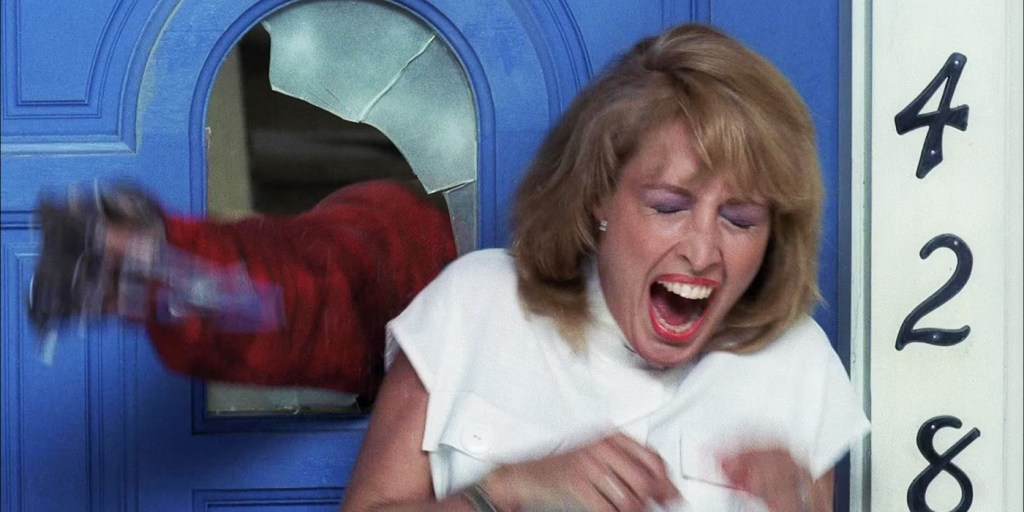
If the parents of Elm Street represent denial, silence, and control, then Nancy represents resistance. While her friends are picked off one by one, she refuses to lie down and accept the role of the victim. She studies, she plans, she sets traps. She takes what little agency she has and uses it to fight back.
But Nancy isn’t just a fighter. She’s also a friend. She is caring and loyal, she stands by Tina when Tina is terrified, and she refuses to dismiss her experiences even when everyone around her is. She’s resourceful, figuring out ways to take Freddy on when no one believes she can. Her resilience and strength shine through as she keeps going despite losing all her friends.
Nancy resonates strongly as an adolescent one. Teenagers are constantly told they don’t know what they’re talking about and their voices don’t count. Nancy reverts this. She sees the truth long before her parents do. She trusts herself when no one else will. That defiance is what makes her powerful, not because she’s fearless but because she refuses to let that fear dictate who she is. Telling Glen,“she’s into survival.”
Her final act, her turning her back on Freddy and starving him of the fear that gives him power is symbolic of adolescence. Its the refusal to be defined by the forces that want to control you be that a dream demon, your parents secreted or the legacy of their mistakes. Of course, Craven doesn’t hand her a neat victory. Nancys ending pulls her back into the nightmare, another reminder that growing up never offers a clean resolutions. In Nancy we see the fight to carve out identity, even in the face of denial, gaslighting and generational trauma.
The nightmare of becoming
A Nightmare on Elm Street works because it understands what growing up feels like. Dreams capture the instability of adolescence, the terrifying slip from safety into chaos. The parents embody absence, denial and toxic protection leaving their children unheard and unprotected.
Freddy is the past, the sins and silences of one generation slicing violently into the next. And Nancy, loyal, caring, resourceful and resilient is the teenager who refuses to let that define her.
Forty years later and Nightmare still resonates. Adolescence in itself is a horror film; unstable, suffocating, full of inherited fears and responsibilities. Craven just dared to make truth literal, to put teenage nightmares on screen and soak it in blood.
Emma Arneil (@ems06 on Instagram) is a horror podcaster at Beyond The Scream, writer, and all-round cult film obsessive, based in Fife, Scotland.


Leave a comment