
by Isabelle Cocozza
In July of 2025, I sat down with critic, creator and self proclaimed ‘Queen of Extreme Horror’, Zoë Rose Smith (@zobowithashotgun) to discuss all things New French Extremity, especially the aspect of women’s focus in the movement. Zoë has produced work on The Suffering Woman in NFE (New French Extremity) for the recent physical release by Umbrella Entertainment. Their NEW EXTREMITY BOXSET VOL. 1, features the infamous MARTYRS (2008), horror fan picks HIGH TENSION (2013), FRONTIER(S) (2007), and a first time blu ray release of underseen transgressive drama ANATOMY OF HELL (2004), a thrilling selection of all women-fronted pieces of transgressive horror and drama filmmaking. Perhaps my personal favourite movement, I knew I had to discuss this with Zoë, which progressed into a rich conversation on NFE, gender and the power of extremity in drama and visceral horror – while discussing all four films and beyond!
Umbrella’s VOL. 2 boxset featuring FAT GIRL (2001), DOBERMANN (1997), TWENTYNINE PALMS (2003) and IN MY SKIN (2002), spanning a range of dramas with brutal aspects of violence or candid sexuality, is now available to preorder.
Which films did you write about?
All four of them, and what I’m looking at is the tortured and suffering woman in NFE – if you’ve seen some of those films, you’ll know that’s a big theme in them.
Before we dive into that, which film from the box set is your favourite?
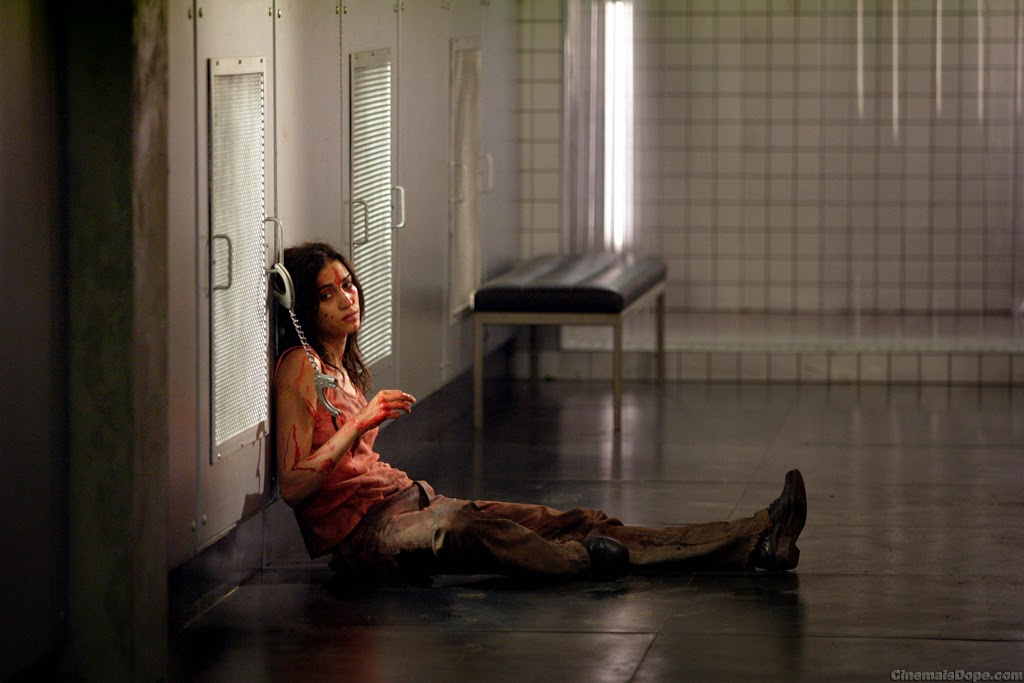
For me, it’s got to be Martyrs. People said, ‘don’t go near that, it’s going to ruin your life.’ It’s one of the most bleak, brutal horror films that you’ll ever, ever watch. Immediately when I saw that, it piqued my attention. That’s absolutely the kind of film that I’m looking for. And every single time I’ve seen it, it just delivers another blow. It’s always incredibly poignant and powerful.
It’s great. Some critics say that the philosophical aspects are somewhat of a scapegoat for the violence on screen. What would you say to that?
I don’t agree with the criticisms of Martyrs. I think if you look in the realm of these extreme films, Martyrs is slightly different in that it does give an opportunity to the viewer to have more substance. And I love straight up torture porn movies, AUGUST UNDERGROUND (2001) all day, every day, I want to watch the most heinous kind of shit happening. For me, I’ll argue all day that there’s a beauty and an art to watching violence on screen. But I think with Martyrs, that ending for me is one of the reasons that makes it one of the best extreme horror films. I don’t think it’s a cop out. I think they actually have thought a bit deeper about how they can engage the audience whilst making you feel so emotionally attached to the characters. It’s not just violence for the sake of it. I could give those critics a list of 100 films that are just violence for violence sake, and Martyrs is so far removed, I think.
I wanted to talk about women since you’re writing about women – and I think it’s the elephant in the room when it comes to NFE, such a point of contention. A critic called Klinghoffer said that NFE has put women’s suffering at the centre, but ‘without a trace of feminist storytelling as redemption’. What would you say that, to people who think that it’s purely exploitation of women?
I can see where that point of view would absolutely come from, because I think watching NFE and seeing that women’s suffering is at the heart of it can feel like it’s exploitation of women. But one thing I’ve seen is that actually, if you listen to the voices of women in the horror world, you’ll see that a lot of them have kind of claimed back these films and see them as cathartic. If you look outside of NFE, a film like I SPIT ON YOUR GRAVE (1978), rape revenge. To be fair, a lot of those films were made by men and sometimes do feel slightly exploitative. But I know many talented writers and creators in the horror industry who are like, ‘no, as a woman, we’ve claimed that back, and we see that there is a redemption’, the revenge of those stories feels really strong. So I think when you look at it from a NFE point of view, you can see the same. I think what’s beautiful about NFE is yes, we see women suffering on screen, which is hard to watch, as it should be, if it was easy to watch, it would kind of defeat the purpose of trying to show the struggles that women have been through. So I think it makes us confront this uncomfortableness around it. And then I think actually, if you look at all of the NFE films, especially Martyrs, Frontiers, the women are triumphant. It might not be in your classic final girl trope most people think of. They go through such an awful time, but they always come out at the end stronger, even Martyrs, you could say she doesn’t come out of it stronger – almost, she transcends, she goes past the pain and the hurt that they put her through. And she kind of beats them, because she’s reached that level that no one else can. I’d love to hear your thoughts as well. But for me, they’ve got some of the strongest female characters with amazing character arcs. And they always seem to come out on top, even if it’s in a slightly less conventional way.
I think my thoughts are quite similar. With the question of whether shock value is actually a valuable tool when used properly and shouldn’t be simply reduced and dismissed, is it a powerful tool, I think, like with issues of women, that in some cases I think it’s actually disrespectful to the subject matter to not show certain things. Whereas a lot of people are like, ‘Oh, this scene didn’t need to be included.’ Personally, I like cinema as a vehicle to step into someone else’s shoes, and I think it can make everybody a bit more worldly to watch more movies. And so I feel that if someone’s going through something really horrible, I kind of want to be put through that and leave feeling drained. I think when I have that kind of reaction, something might have done its job. If it’s done right, then I would rather things be shown than not, within reason.
Horror, of course, has always been a reflection of our modern anxieties, and NFE is similar – or would you say even more so, despite being perhaps disregarded or reduced to a sort of deranged sister of the American ‘torture porn’ films? Would you say that it’s just as impactful as other types of horror and shouldn’t be dismissed?
I’m very involved in NFE. So I don’t see that it’s like an underdog of horror. But when you talk to a lot of people, they’ve never heard of it, they will have heard of your HOSTEL (2005) and your SAW (2004), those American torture porn films that you mentioned there. But if you say, oh, have you seen like Frontiers? They’re like, what the hell is Frontiers? I think one of the things is probably language, I think a lot of people just gravitate naturally towards American or English films, if they’re native speakers. And you’ll see that a lot of those films have bigger budgets, better marketing, better PR, whereas I think when you look at NFE, went a bit under the radar, as with a lot of other foreign films. If you look in the extreme world, there’s a lot of fantastically made extreme films from South America, Asian horror films that are fantastic, but they’re less accessible than some of your American films. I think NFE’s a really poignant movement. It was very topical at the time, and still stays topical now. But people are kind of rediscovering it, seeing the power of it, also seeing how it still is relevant to the modern society that we’re living in, and that we’re still fighting the same kind of causes. There’s still women’s issues, there’s still queer issues, there’s still so many things that NFE articulates on screen. And then as well, you’re seeing like films that are within the NFE movement but newer. You’ve got RAW (2016) and TITANE (2021) and films like that, where you can see that they’re reflecting that, but bringing it into the modern time. So I think if you look at it that way, NFE, is really important to the horror genre, because it’s still continuing, still influencing things to this day. And people are still discovering films obviously. Umbrella Entertainment wouldn’t be putting out these three box sets about all NFE if there wasn’t still a power to these films and a relevancy of them.
Absolutely. I was going to ask you about Frontier(s), probably my favourite NFE film. I think it is definitely one of the best because for me, it pairs the extreme visuals and the real purpose. That film’s really about something, it’s really poignant – utilising that imagery to create a very harrowing experience for the viewer about what was going on in the cultural landscape at the time in France with the 2005 riots and reemergence of the right wing. And I think that film is more relevant now than ever. I rewatched it the other day, with your audio commentary on it. What are your thoughts on Frontiers?
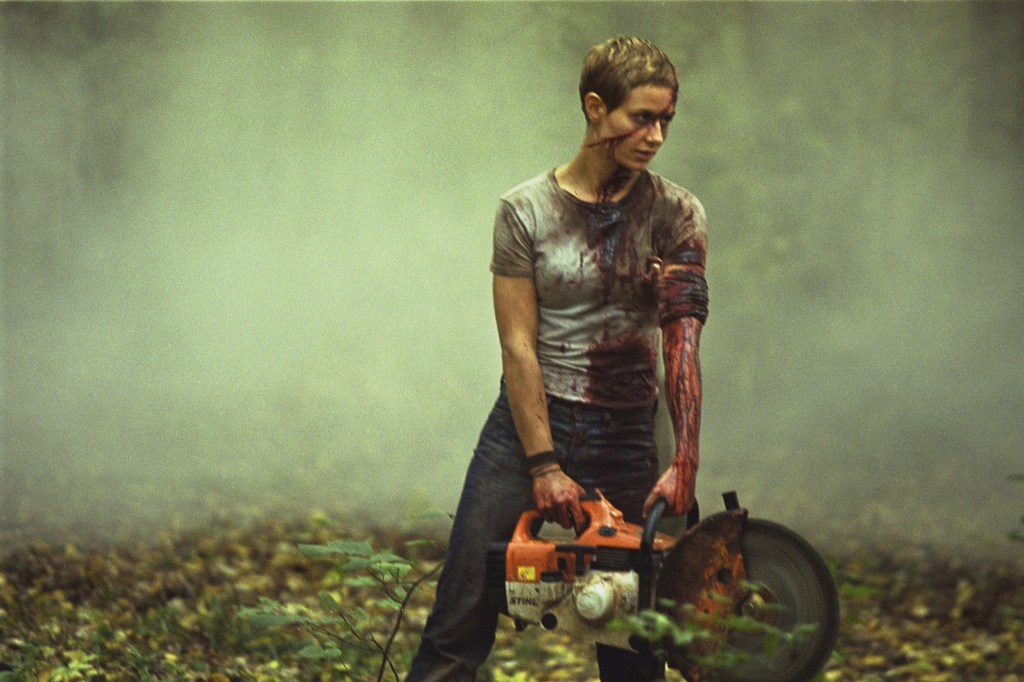
I love Frontier(s) as well. It’s definitely one of my favourites. And I think it often doesn’t get mentioned enough, because it gets overshadowed by the likes of Martyrs, for instance. Like you said, obviously, at the time when it came out, and I’m not going to say I’m a political expert on France or anything, but it was very representative of what was happening at the time and the fears and disdain, how the French society felt towards everything that was going on. And obviously, now we’ve got exactly the same kind of situations going on. There’s riots, there’s chaos, it’s been going on for quite a few years now. I think some people struggle with Frontier(s), because there’s a lot going on in that film. You’ve got all of the riots and them escaping Paris to go in the suburbs. And then you’ve got this story around neo-Nazis. There’s also cannibalism, torture, there’s those inbred children that are down in the drains, it’s quite an assault of a film with a lot going on, I can appreciate that can be difficult to wrap your head around. But at the core of Frontier(s), it is trying to address a lot of the issues and the politics surrounding France, and the plight and the battle in the fight. And that’s going on constantly. Like you said, I got to do the audio commentary with Kelly, who I used to run the podcast Our Bloody Obsession with, where we looked at lots of nasty films.
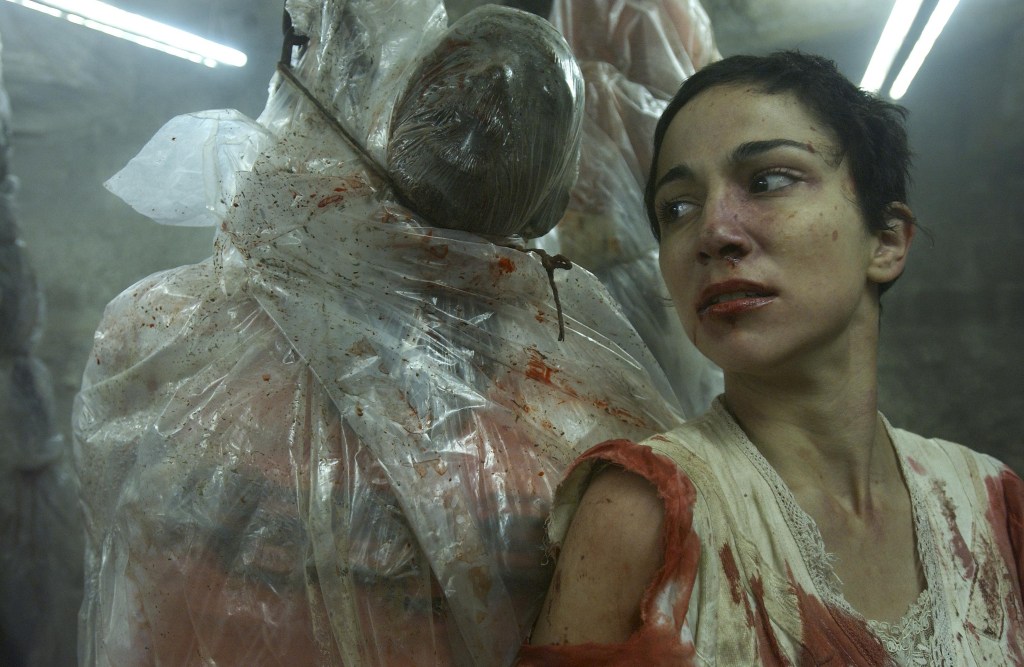
I’d love more people to see Frontiers, no one ever knows it. It’s a real shame. But rewatching that film was a real blast. And I think it’s more of an enjoyable film than something like IRREVERSIBLE (2002), which is so depressing, because of course, it’s stressful, but you also kind of have the more exhilarating horror film aspects, the rollercoaster of the final girl running through the underground bit, and they’re all looking to find her. But watching it again, I noticed so many little details. For example, I really liked the Holocaust imagery that I didn’t notice before, when they first came into the house. There’s the boxes of people’s glasses and all of their old mobile phones and shoes. But no, I think that that film is probably my favourite for those reasons.
On the box set, we’ve discussed Frontiers and Martyrs. So I want to ask for your thoughts on High Tension – some people love it, some people hate it.
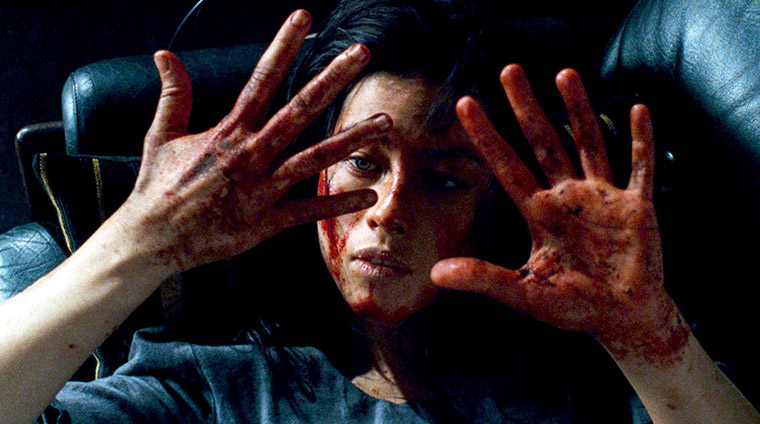
High Tension is an interesting film. And probably, I’m going to be honest, it’s probably one of my least favourite films from NFE, because I think the first time I watched it I didn’t like the twist. And I’ll be completely truthful, I think the twist in it is slightly problematic in what it portrays. Obviously, there’s a queer relationship going on between these two women. And you could see it a few different ways. There’s the line of like body dysmorphia and seeing yourself differently. But then obviously, there’s a huge kind of narrative in there around transgender and not feeling like you are in your body. However, I think the two things that I feel like High Tension doesn’t do well is that it portrays queerness from a female point of view in quite a negative light. The main character turns out to be the killer and she’s trying to kill her partner in the film, obviously not a great portrayal of queerness on screen. It shows sapphic women quite badly because it shows, firstly, that they have masculine traits, she’s obviously this male killer. I think it paints this light that women that are queer have this kind of negative male energy, which, I think as a bisexual woman myself and knowing lots of queer women, that’s absolutely not true at all. That’s really a bad representation. And then you’ve got the transgender narrative, I’m not transgender, so I don’t feel like I can fully speak on that topic. But I think from my point of view, to represent kind of a character that potentially sees themselves as a male or on the flip side, and then to be this kind of horrible predator in the film doesn’t create the best image ever. So from that point of view, I see lots of problems. And it’s probably why I’ve never loved High Tension. But that being said, I did produce an article for the Second Sight release of High Tension where I look more around self-sabotage, and could resonate with the main character, in that she looks to sabotage everything in her life, the relationships, the friendship she’s building by becoming this monster that she’s not. But I think, again, that I kind of removed the aspect of gender from it. But I think if you look at it on a different side, looking at that gender side of it, it could be quite negative. I don’t know what you thought of High Tension and whether you see that in there as well.
It’s kind of feels like ‘gay people are out there and they’ll kill ya’, but it’s interesting because also as a queer woman, I love taking films really seriously, analysing films, but High Tension to me just seems so unserious that I can’t really actually feel that they’re trying to push certain things through it. I think it’s more of an irresponsible narrative choice than an actual pushing of an agenda. But I’ve also never thought about the potential transgender aspect of it.
I think you’re right. It doesn’t feel like there’s a malicious intent, that they’re trying to portray that. I think it’s easy to read it from a point of view of there’s definitely better representations of queer. I’d love to see writing by someone that is transgender on it, because there’s probably lots to unpack. But that’s just my reading on it. But like you said, it’s one of the less serious ones- if you just take it at face value, you can have fun with it. It is a fun film to watch. Well, as you mentioned earlier, fun is used as a light term.
I think it should be included in the box set as it’s one of the more popular films from that movement. But when you have it next to films like Martyrs or Anatomy of Hell, it sometimes to me feels a little bit out of place because it feels like it has aspects that resonate more with a more juvenile slasher film. And I think that the violence in High Tension doesn’t really match up to the others. And I rewatched it and I’m still thinking, I’m not even really getting that, though it’s pretty violent at the end. And when the father gets his head smashed by the bookshelf, that’s cool. It’s my least favourite, but I think we can all agree that the guy having the severed head give him head is a fantastic way to open a movie, I think.
Yeah, I do like that opening. Sounds about right for a gross male killer. That’s definitely something that they do.
So on the flipside, what about Anatomy of Hell? That’s one that’s quite steeped in a lot going on, in comparison.
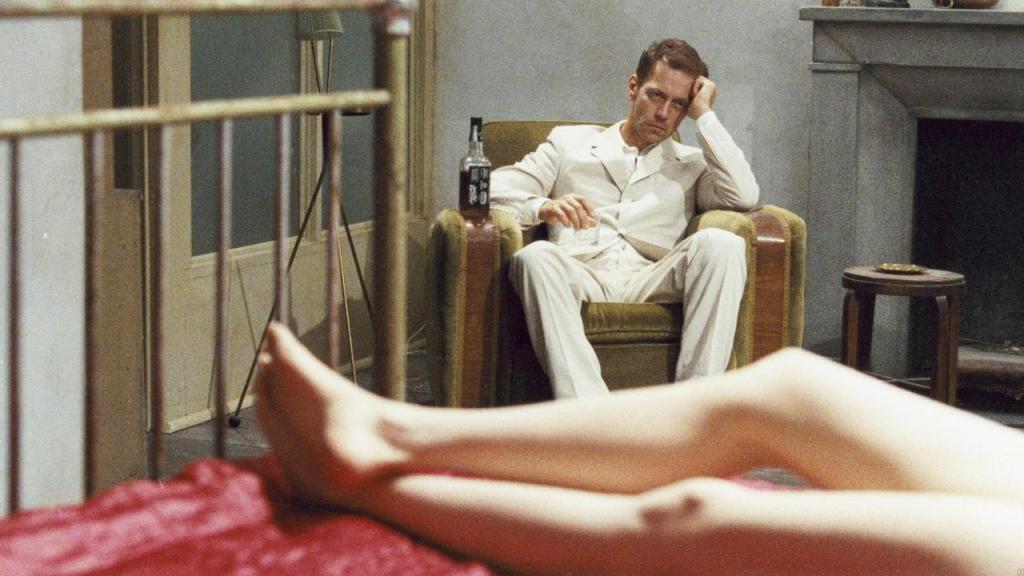
I’d actually never seen Anatomy of Hell before watching it for the box set, so I was quite new to that film. And I’d read the premise and I was like, oh, that’s going to have a lot going on in there. Like you said, it’s very psychological. It’s a really good look at the way that NFE shows sex on screen, because I think that’s a huge part that plays into NFE, not in all of the films. For instance, Martyrs is completely devoid of sexual violence, which is one of the reasons I also think it’s great. But what I like in Anatomy of Hell is that it does go into that. Obviously, a lot of the sex scenes in there as well are completely unsimulated, which you’ll see with other kind of NFE films like BAISE MOI (2000), that’s also unsimulated sex. I think even there’s a couple of other films, potentially MA MERE (2004) or something like that has got them too, it’s something you see often in NFE. But what I love about Anatomy of Hell is it’s very controversial in many, many regards, right? Because it’s all about this woman that wants a man to do anything to her, observe her in this sexual way. And what’s even more interesting is that the man that she chooses to do this to her is a homosexual man. But the film talks a lot about sexuality and is it based on gender? On our attraction? Or is there something more to sex than just that, this element of kind of suffering and torture, being in pain and pleasure? And I think that’s obviously why the film is so tough to watch, because it’s like, well, who are we to say, the boundaries of people? And if someone asks to be used at the hands of someone else, we would typically be like, oh, that’s wrong, she’s being used. But at the same time there’s an element of consent in there because she’s asked for this. I came around away from it with a lot of questions. There’s lots of ethics and morals that are raised in this film that have to be confronted. But I think that’s what makes Anatomy of Hell so powerful is that you do come away feeling conflicted about this. I really loved it. I thought it was fantastic. And I’m looking forward to seeing it again. But I was like, oh, there’s a lot of like emotions around this one, whether it’s right or wrong. What side am I on? Who am I getting involved with?
I think Anatomy of Hell is such a complicated film to talk about. I really didn’t like a lot in the first half, but the second half for me is just exactly what I want to be seeing in movies, really. The menstruation segment, I thought that was just fantastic. Obviously, quite unsettling probably to a lot of viewers. Drinking it is definitely quite a bold choice for the average movie viewer. But I think that some of the quotes in that section of the film are just so powerful. A lot of women watching that would probably feel quite seen by that. But there’s a lot of things in the start of the film, especially when she says gay men hate women more than any other type of man and stuff like that. I mean, that’s something someone could say. Would I agree with it? Probably not. But it’s an opinion, I guess. I just find it quite interesting because I think with Breillat’s films, I think she makes some assertions and then delivers them with such a kind of fervor and boldness saying ‘this is the way it is,’. But sometimes some of the things she says I don’t agree with, but I don’t think that makes the film necessarily ‘bad’. I think that film has a lot of problematic elements, but there’s also so much that’s so great about it. So I actually quite like that film, but it’s similar to something like ROMANCE (1999) – Breillat has a trait of saying certain opinions on things like gender through the female leads, which are quite reductive sometimes, which is interesting. But it can be a bit abrasive to watch.
Well, yeah, you’re completely right. She makes these statements where you’re like, ‘oh, that feels very opinionated’. But I think that’s what I like about Catherine Breillat’s films, I also wrote about Fat Girl for the second boxset. Her films make the audience uncomfortable. She’ll put these statements out, like you mentioned in Anatomy of Hell. It talks a lot about misogyny, talks about homophobia. It talks about how women interact with men that are straight, that are gay, lots of things like that. And she’ll put out a blanket statement and you’ll either agree or disagree. But what she does in her films creates a point of discussion, which I think, a lot of films forget that they can do that. There’s an art to be able to make people come away and be like, I disagree with that. And Catherine Breillat does exactly that, she gets us as the audience to really feel something and to come away with potentially, more discussion points than we had going in, whether you agree or not. And that to me is the beauty of these NFE films. Going back to Martyrs with that point around whether it’s worth putting in that philosophical ending. It makes people go away and talk about it and actually think. And I think there’s an art to being able to do that. And I think a lot of horror films don’t do that anymore. I love watching fun, gory films that have got nothing to think about. But horror’s always been a medium to try and get the audience to feel really engaged, to talk about tough, big topics that are hard, the horrors of the world. So why wouldn’t we be looking at the horrors of humanity, which is exactly what NFE does?
That’s very interesting. I think I feel the same. Whether I agree with the films or not, I admire filmmakers that can produce a piece that divides people and creates conversation, often the case in NFE films. So, I find it quite hard to hear when a lot of people are like, ‘oh, don’t go near this film because it says this’. If I hear someone say that, it makes me want to see it more because I think it’s a good exercise to strengthen your own beliefs, in a way. I like to expose myself to things that will challenge me intellectually, challenge my preconceived ideas of certain topics, because it’ll either change my mind or I’ll understand a different point of view, or I will actually say, ‘no, I really do believe in this’ and I’ll disagree. So, I don’t think there’s any real cons to exposing people to films like that – I think it might even do everyone a bit of good to explore films like that now, especially when people aren’t as empathetic these days, it seems.
You mentioned Fat Girl. Do you like Fat Girl?
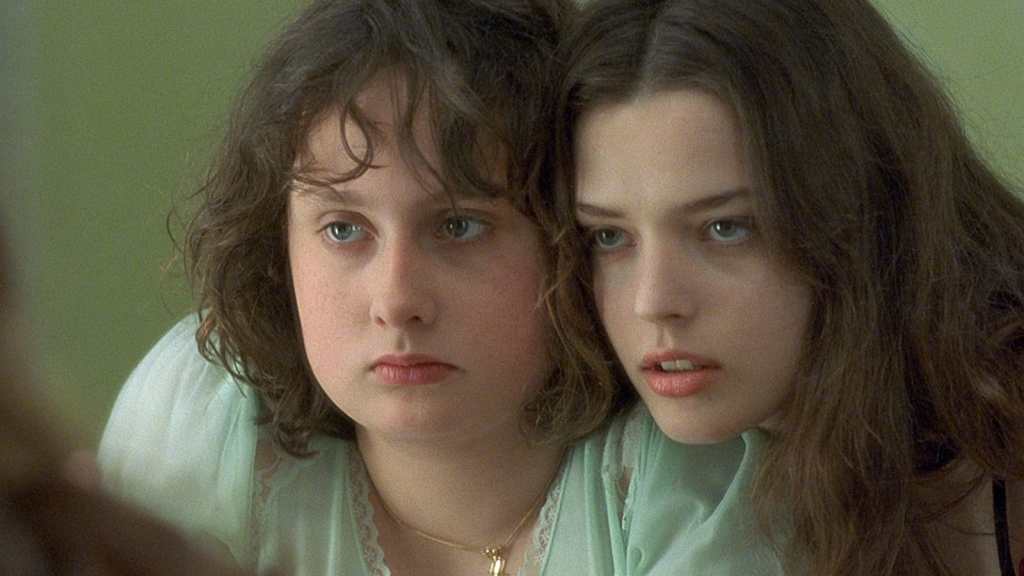
I love it. It’s probably one of the top NFE films for me. And I think what’s peculiar about NFE is I think everyone naturally just thinks of the films that are the violent ones.You think of NFE, your mind goes to Martyrs. So you presume that the whole suite of films lives in that world. But Fat Girl is very different because there’s no violence until the very end of the film. So actually, it’s more of a drama, but it touches on some really, really important topics – consent, the topic of virginity, of how girls are beholden to their virginity, this coming of age. Obviously, it talks a lot about body image and growing up, how we are made to perceive ourselves. And I think for me, it’s got so much to talk about. And in my article, I look at this aspect of sexuality and feeling like you have to give it up and how you can be convinced into doing that. I don’t know if you’ve seen it. What do you think of it? Did you like it?
I quite liked it. I thought it was really interesting. I don’t know ethically how great it is, considering the ages of the actresses involved. I don’t really know how that was done without a lot of trouble. But it’s a good movie, I think. And I quite like the fact that they leave all the violence and the kind of things that would make it a more extreme film until the end. There is sex in the film otherwise, but it was not as graphic as I was expecting, from what I’ve seen from the filmmaker already – Anatomy of Hell and Romance – which are quite extreme in their portrayals of sex, and unsimulated sex. But I thought it had a lot to say and I really enjoyed it, it was a nice surprise.
I’m glad you enjoyed it. And yeah, I think it does a lot of a lot of good by leaving the violence to the end, because then you really just focus on what’s actually going on, the relationship between the two sisters. And it really looks at how certain sexual experiences at a young age completely shape your future and can dictate to you how you perceive love or a healthy sexual relationship. For Anais, all she sees is her older sister, being coerced and forced into having sex with this guy, he manipulates her. He controls her in this like one kind of isolated scene where he rapes her. For Anais, that’s the only view she ever gets of what sex and what love should look like. So, when she gets to the end and talks about when she’s raped she says, ‘oh, no, he didn’t rape me’ because to her, she knows nothing else. So I think it’s also a really good study of violence in the everyday. There’s a fantastic author, Ali Taylor, who looks at NFE films and how they portray small moments of violence in the everyday that cause these kind of ricochet effects that last a lifetime for people. We’re used to violence being these big moments, blood and gore and guts and obscene amounts of violence that you can never imagine. But actually the true horror is in the fact that violence happens in what are smaller moments throughout the everyday. I think it’s a perfect study of that.
I think it’s quite a singular film, compared to anything else that I’ve seen from the movement, because it gets its reputation as a horror heavy or adjacent subgenre. So to then have a mundane domestic drama, with then a burst of violence at the end, it shows how those moments of shock can be utilised to tell a very different story in a different way. And it still aligns with the kind of sentiment of the movement. It’s refreshing to see something utilise those techniques and the same sentiment in a different way.
As a critic, in your experience of watching these films how do you personally respond to the extremity of them? Do you respond more intellectually, emotionally, maybe even physically? And do you find that watching them as a critic can lessen your emotional response or can it still co-exist?
Great question. Obviously I watch a lot of extreme, bleak, disturbing, horrible films so I definitely am slightly desensitised to some of the subject matters that are in these films. But I think for me I can definitely do the balancing act. If I watch a film as a critic, if I’ve got a particular theme that I’m looking at, like for instance when I was writing about the tortured and suffering woman in NFE for the first box set, I had this subject so every time I was watching the films I was looking for the parts that were relating to what I was building, so I could separate it, I’m kind of in that mindset. But these films to me are really emotional and so I love watching them from a personal point of view. Martyrs again, when I find it really emotional, I do get a very visceral reaction from it. I think the same with Frontiers, watching Anatomy of Hell for the first time – I talk a lot about sexuality and I’d never seen it and when I first watched it, I came away and I was like, oh wow, I’m feeling quite overwhelmed by this. I always try to approach NFE quite intellectually because I think it is an intellectual topic, I think there’s so much in there, aside from the violence, from the torture, from the suffering, I think there’s a lot of conversation starters within that movement, and there’s so many different types of films. Again, if you look at something like Frontiers, or INSIDE (2007), you’ve got your blood. And then you’ve got something like Twentynine Palms and Fat Girl, or Ma Mere, which is about a mother and a son’s incestuous relationship – they’re so different. I also think there is so much importance to watching these films and experiencing it and being like, ‘this is my experience’. So for me, it depends on the film, but all of them elicit quite an emotional response when I’m watching because I just find that it is really a movement that’s got so much depth, so much beauty. I hope more people watch more NFE, and I hope we get more NFE films, like Raw, as well.
Absolutely. And to kind of round off on a maybe lighter note, do you have any particular favourite gross out moments from NFE as a whole?
I mean, obviously in Inside, you’ve got the cutting open of the stomach, always going to be quite disgusting. I think in Martyrs, not gross out, but one of the more violent scenes is just her getting beaten. I think there’s something really hard to watch about a woman just getting punched in the face versus anything else. Frontier(s), I love, again, not gross out, but I love the imagery towards the end where she’s just screaming, covered in mud with the rain coming down. That for me, the emotion of her with this guttural roar, is amazing. There’s so many different ones throughout NFE in terms of gore and violence, but those are maybe a couple of my favourites. Yeah, there are some really beautiful moments.
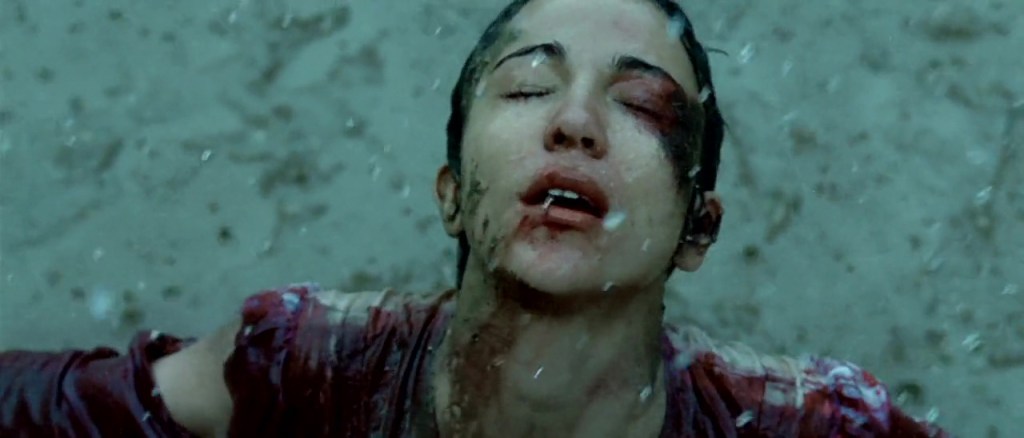
Like you say, that moment in Frontiers, there’s something really beautiful about that, quite cathartic. It’s a nice one to pick out. In terms of gross out moments though, I think for me it’s got to be the bathtub scene from Martyrs, when they’re getting the metal blindfold off of that poor woman. Oh, it’s awful.
Yeah, that is quite a scene. I’m always like that poor woman has been through absolute hell.
Umbrella Entertainment‘s New Extremity Box Sets are available to order and preorder now here. Check out Zoë’s work here.
Issy Cocozza (instagram: issycharliedennis) is the Founder & EIC of Culture Film Publication, a film production student and photographer. She is based in Bristol and Bedford, with areas of interest in horror, cult/genre, and psychosexual filmmaking.


Leave a comment